USS Hopper Overview
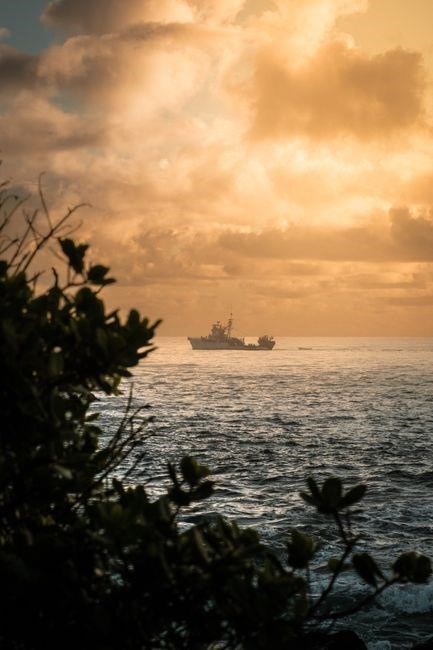
USS Hopper (DDG‑70) is an Arleigh Burke‑class guided‑missile destroyer commissioned in 2002․ Named after Rear Admiral Grace Hopper, it serves the U․S․ Pacific Fleet from Pearl Harbor, conducting air‑defense, surface warfare, and intelligence missions․ It supports regional security and deterrence․ now
Arleigh Burke-Class Features
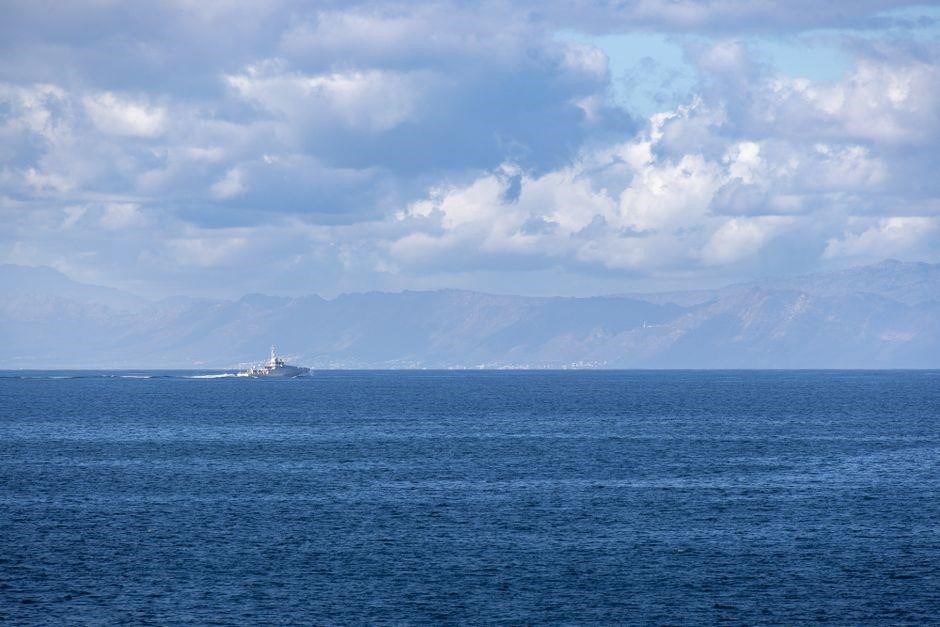
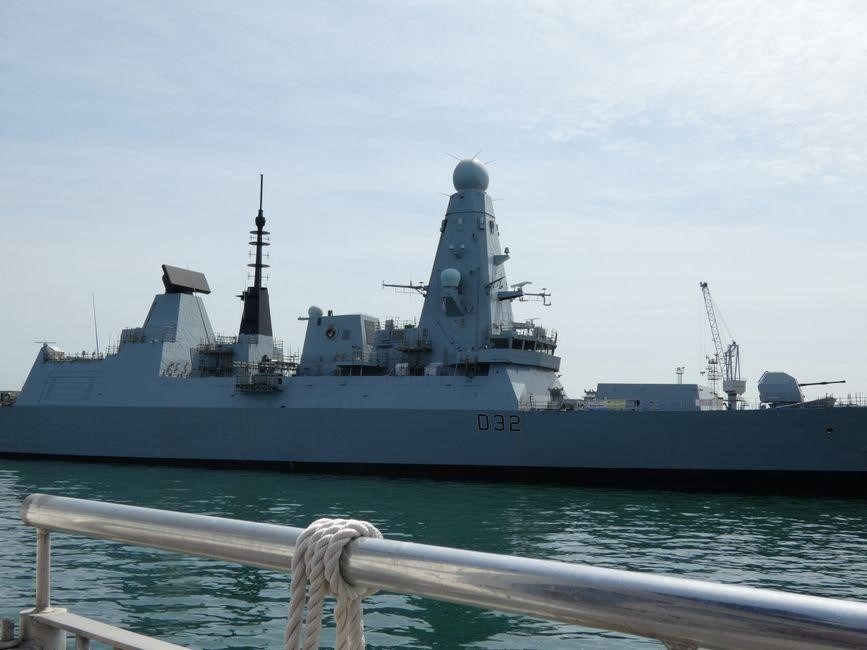
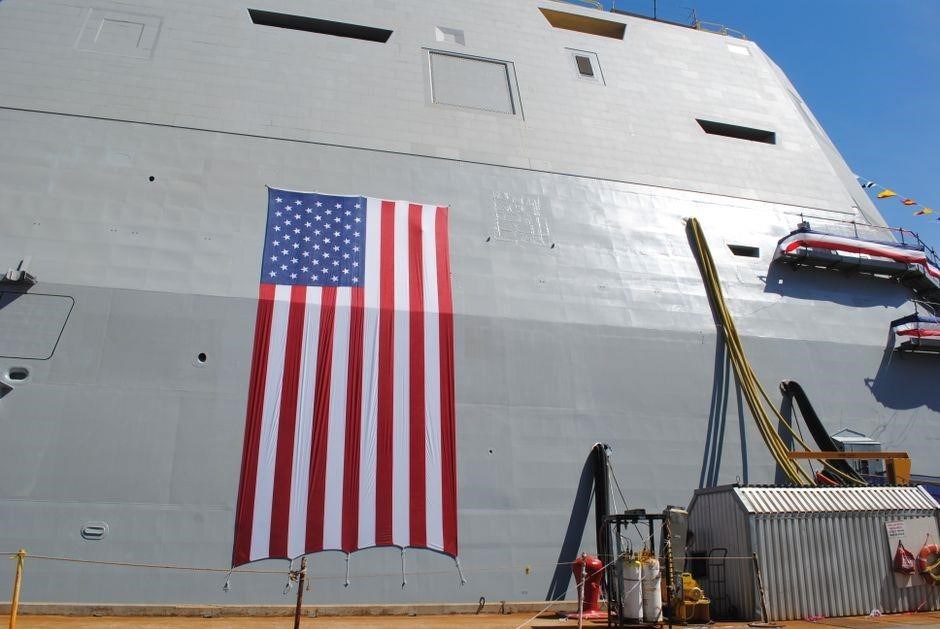
The Arleigh Burke-class destroyers embody a blend of advanced stealth, modular design, and integrated warfare systems, enabling them to operate as versatile multi‑role platforms․ Their hulls feature a low‑observable, angled superstructure that reduces radar cross‑section while maintaining structural integrity․ The ships incorporate a modular mission bay that allows rapid reconfiguration for air‑defense, surface warfare, or intelligence missions, enhancing operational flexibility․ Automation and advanced command‑and‑control systems reduce crew requirements and increase situational awareness․ The integrated combat system links sensors, weapons, and propulsion, providing real‑time data fusion and rapid decision cycles․ Survivability is emphasized through compartmentalization, redundant power distribution, and damage‑control systems that maintain operational readiness during combat․ Designed for sustained operations, the vessels can remain at sea for extended periods, supported by efficient logistics and underway replenishment capabilities․ Their design supports future upgrades, allowing the integration of next‑generation sensors and weapons without major structural changes․ The class’s advanced hull form and propulsion integration provide high speed, low acoustic signature, and efficient fuel consumption, enabling extended deployments without frequent refueling․ Collectively, these attributes make the Arleigh Burke-class a cornerstone of modern naval power projection and maritime security
Namesake: Grace Hopper
Grace Murray Hopper (1906‑1992) was a pioneering computer scientist and U․S․ Navy rear admiral whose innovations shaped modern software development and naval communications․ She famously coined the term “debugging” after removing a moth from a relay, a story that has become a staple of tech lore․ In 1962, she was promoted to rear admiral, the first woman to reach that rank in the U․S․ Navy, and she continued to advocate for computer literacy and women in STEM․ Hopper’s legacy endures in the “COBOL” language, the “Hopper” compiler, and the annual Grace Hopper Celebration․ Naming DDG‑70 after her honors her trailblazing spirit and her lasting impact on both naval technology and the broader field of computing․
Hopper also served as a consultant to the Department of Defense, advising on cybersecurity and software engineering best practices; She received the National Medal of Technology and the Presidential Medal of Freedom, and her work earned her the distinction of being the first woman to be promoted to flag rank in the U․S․ Navy․ Her advocacy for women in technology inspired generations of female engineers, and her name lives on in the Grace Hopper Celebration, the world’s largest gathering of women technologists․ The DDG‑70 carries forward her legacy by embodying the fusion of cutting information technology, reflecting the spirit of innovation that defined her career․ Her legacy is celebrated annually at the Grace Hopper Celebration․ Her name lives on in every new software․
Construction Timeline
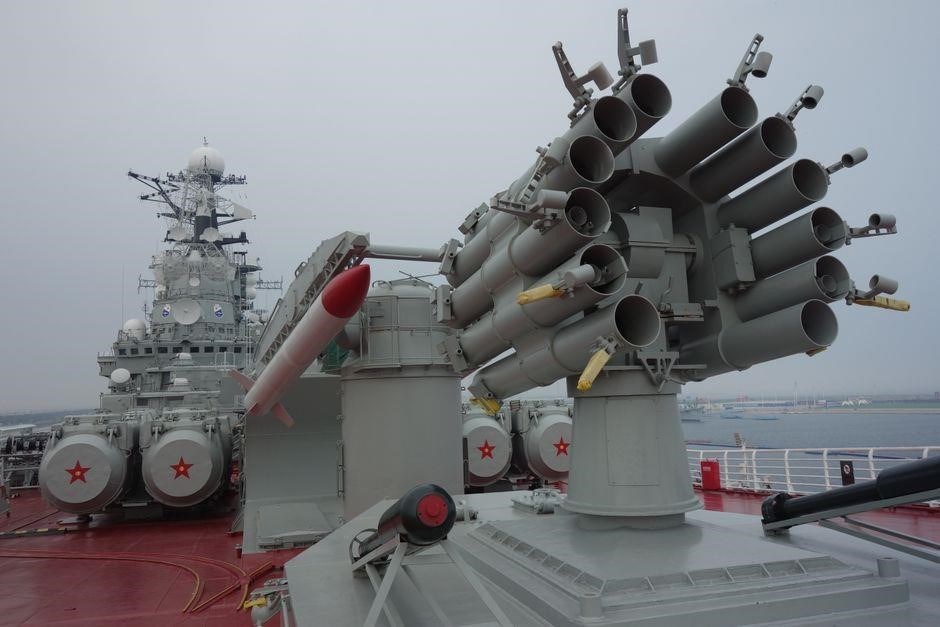
USS Hopper (DDG‑70) entered the shipyard on 24 January 1999 as the 70th vessel of the Arleigh Burke class․ The keel was laid on 24 January 1999 at Bath Iron Works, Maine, marking the formal start of construction․ The ship was launched on 27 March 2000, when the hull was christened with a bottle of champagne by Admiral Grace Hopper’s granddaughter․ Following launch, the vessel underwent a series of sea‑fitting trials, during which the Aegis combat system, AN/SPY‑1 radar, and vertical‑launch missile cells were integrated and tested․ The final outfitting phase included the installation of the Mark 41 Vertical Launching System, the Mk 41 Mod 3 missile launcher, and the advanced electronic warfare suite․ After extensive sea trials that tested propulsion, weapons, and sensor performance, USS Hopper was officially commissioned on 18 April 2002 at the Naval Shipyard in Charleston, South Carolina․ The commissioning ceremony was attended by senior Navy officials, the Hopper family, and representatives from the U․S․ Navy’s Pacific Fleet․ Since commissioning, the destroyer has been home‑ported at Joint Base Pearl Harbor–Hickam, where it continues to serve as a key component of U․S․ naval power projection in the Pacific․ Throughout its build, the ship incorporated lessons from earlier Arleigh Burke ships, improving stealth coatings and reducing acoustic signatures․ The hull’s modular construction allowed rapid installation of mission modules, enabling the destroyer to adapt to evolving threats․ The final inspection phase included rigorous testing of the integrated combat system, ensuring that the ship met all operational requirements before its first deployment․ Its modular design allows rapid reconfiguration of mission packages to meet changing operational demands and enhances survivability in high‑intensity environments․!!
Technical Specifications
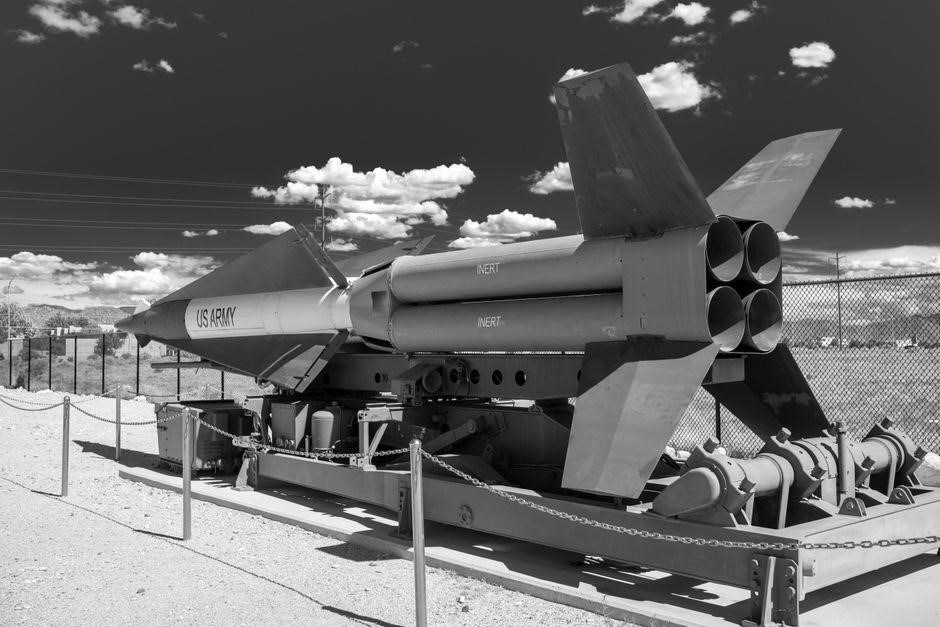
USS Hopper (DDG‑70) is a 453‑ft (138 m) Arleigh Burke‑class guided‑missile destroyer with a beam of 47 ft (14․3 m) and a draft of 25 ft (7․6 m)․ Displacement is 9,200 tons (full load)․ Powered by two Westinghouse steam turbines and four 2,000‑hp electric motors, the ship achieves 30 kn (56 km h⁻¹) and a range of 4,400 nautical miles (8,150 km) at 20 kn․ The vessel carries 96 crew members, including 12 officers․ Its combat system is Aegis, featuring an AN/SPY‑1D phased‑array radar and an AN/SPN‑48A navigation radar․ The ship is equipped with a 5‑inch (127 mm) Mk 45 gun, two 20‑mm Phalanx CIWS mounts, and a Mark 41 Vertical Launching System that holds 96 missiles, including SM‑2, SM‑3, and SM‑6․ Additional armament includes 32 Mk 41 5‑in torpedo tubes for Mk 48 torpedoes․ The ship’s electronic warfare suite includes the AN/SLQ‑32(V)3 and the AN/SLQ‑32(V)5․ The propulsion system uses a combined diesel‑electric and gas turbine (CODAG) configuration, with a total of 32 MW electric power․ The ship’s endurance is 45 days at sea, with a maximum speed of 30 kn․ The hull features a stealth‑optimized design with angled surfaces and radar‑absorbent material․ The ship’s mission modules are modular, allowing rapid reconfiguration for air‑defense, anti‑submarine, or surface warfare missions․ The ship’s life‑support systems include a 3‑stage air filtration system and a 4‑stage water purification system․ The ship’s communications suite includes Link‑16, Link‑22, and satellite communications․ The ship’s navigation system uses GPS, GLONASS, and inertial navigation․ The ship’s flight deck supports a SH-60B Seahawk helicopter and a MH‑60R Seahawk․ The ship’s mission control center is located in the forward superstructure․ The ship’s combat data system is integrated with the Navy’s Tactical Data Link․ The ship’s mission systems are upgraded annually to maintain operational readiness․ The ship’s design reduces radar cross‑section with advanced materials․ Onboard systems allow rapid software updates for threats․ Crew training emphasizes joint operations with allies․ Maintenance includes daily quarterly dry‑dock inspections and routine checks․ USS Hopper balances firepower, speed, and versatility for maritime security․ Its hull incorporates a layered composite structure that reduces weight while maintaining structural integrity․ Its superstructure is angled to deflect radar waves, and the use of radar‑absorbent paint further diminishes detectability․ The propulsion system’s electric motors are powered by high‑capacity lithium‑ion batteries that can be recharged during underway replenishment, allowing the vessel to sustain high speed for extended periods․ The ship’s combat data system is fully integrated with the Navy’s Integrated Battle Information System, enabling real‑time data sharing across fleet units․ The ship’s aviation facilities support two helicopter operations simultaneously, with a dedicated hangar and maintenance bay․ The ship’s life‑support systems include a 3‑stage air filtration system that removes chemical and biological threats, and a 4‑stage water purification system that provides potable water for the crew․ The ship’s maintenance schedule includes quarterly dry‑dock inspections to ensure structural integrity and system reliability․ The vessel’s crew training emphasizes joint operations with allied navies, and the ship regularly participates in multinational exercises to maintain interoperability․ Overall, USS Hopper exemplifies modern naval engineering, balancing firepower, speed, and versatility to meet contemporary maritime security demands․ Its advanced stealth features and modular mission packages allow rapid reconfiguration for emerging threats, ensuring the vessel remains a versatile asset in the evolving maritime security environment․
Armament Suite
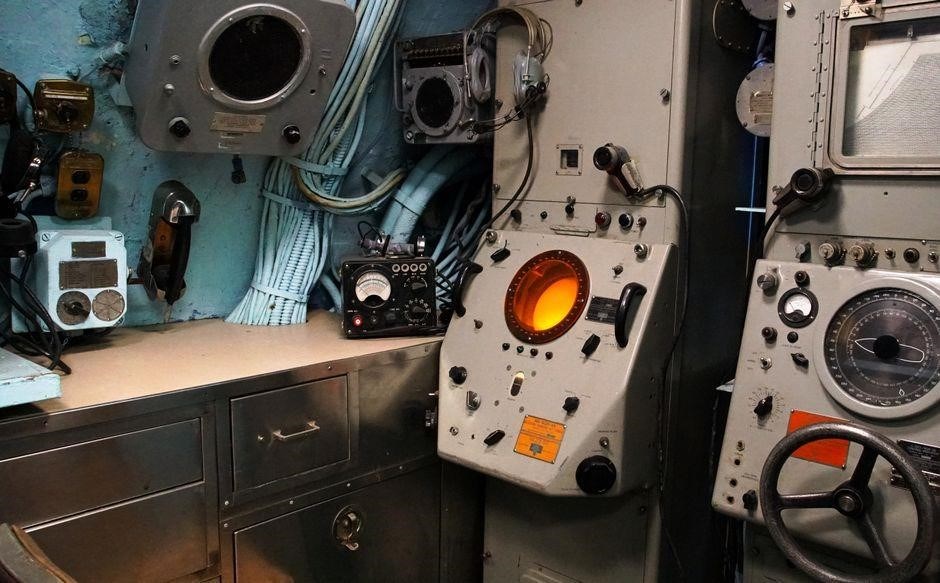
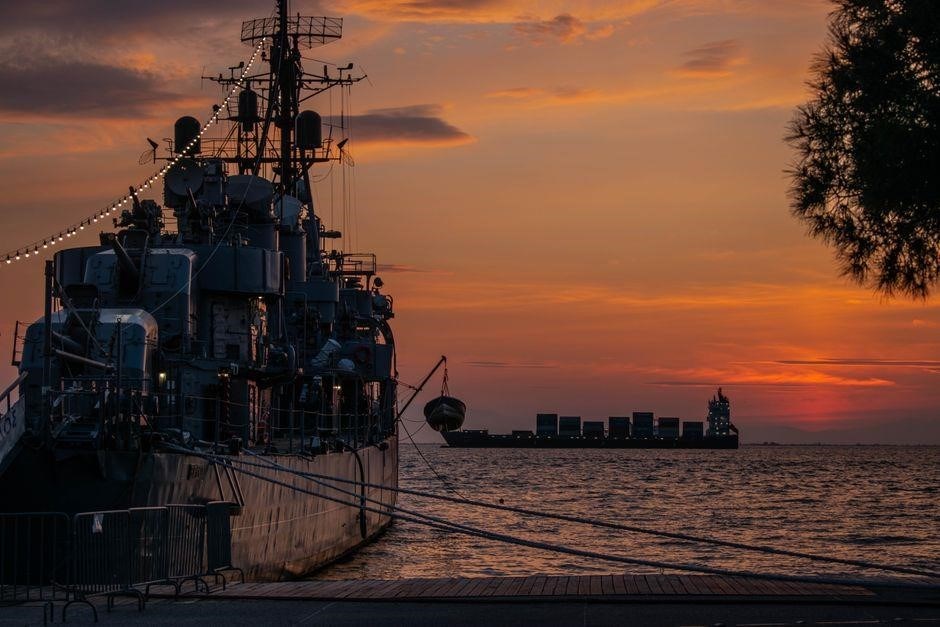
USS Hopper (DDG‑70) carries a balanced array of weapons designed for multi‑role combat․ The centerpiece is the Mk 41 Vertical Launching System (VLS) that holds 96 cells, capable of firing SM‑2 Block III, SM‑3, SM‑6, and Tomahawk cruise missiles․ The ship’s 5‑inch (127 mm) Mk 45 Mod 2 gun provides naval gunfire support and close‑in defense․ Two 20‑mm Phalanx CIWS mounts deliver point‑defense against incoming missiles and aircraft․ For anti‑submarine warfare, the vessel is equipped with 32 Mk 48 torpedo tubes feeding advanced torpedoes․ The ship also carries a 30‑mm Mk 41 gun as an additional close‑range weapon․ The integrated combat system allows rapid target acquisition and engagement across all threat classes․ The VLS can be reconfigured to accommodate future missile types, ensuring long‑term relevance․ The ship’s armament is supported by advanced fire‑control radars and electro‑optical sensors that provide situational awareness․ The combination of missile, gun, and torpedo systems gives USS Hopper the flexibility to engage surface, air, and subsurface targets simultaneously․ The armament suite is designed to support joint operations with allied navies and to maintain deterrence in contested maritime environments․ The armament configuration also supports humanitarian missions by providing precision fire support when needed․ Overall, USS Hopper’s armament suite exemplifies modern destroyer firepower, combining missile lethality, gunfire versatility, and anti‑submarine capability into a single platform that can adapt to evolving threats․
Propulsion System
USS Hopper (DDG‑70) employs a Combined Gas and Gas (COGAG) propulsion architecture that delivers high speed and endurance․ Two 4‑MWe Rolls‑Royce MT30 gas turbines drive the ship’s two 7‑MW electric motors, which in turn propel the twin 120 kW electric propellers․ The MT30 units provide 8 MW of power each, enabling a top speed of 30 knots and a range of 6,000 nautical miles at 18 knots․ The COGAG configuration allows the ship to switch between high‑power turbines for rapid acceleration or lower‑power modes for efficient cruising․ The electric motors also support the ship’s integrated electric propulsion (IEP) system, which supplies power to onboard systems, reducing acoustic signatures for anti‑submarine operations․ The propulsion layout includes a 20 kW auxiliary power unit for shore power compatibility and a 1․5 MW emergency generator․ The ship’s propulsion control system is fully integrated with the combat system, enabling automated speed adjustments during tactical maneuvers․ The design emphasizes reliability, maintainability, and energy efficiency, allowing the vessel to sustain prolonged deployments while minimizing logistical footprints․ Additionally, the propulsion system incorporates a modular power distribution architecture that allows rapid reconfiguration of power loads, enabling the ship to allocate energy efficiently between combat systems, sensors, and propulsion during high‑intensity operations․ The system’s redundancy and fault‑tolerant design ensure sustained perform․
Avionics and Sensor Suite
USS Hopper uses the AN/SPY‑1D(V) phased‑array radar, Aegis combat system, and AN/SLQ‑32(V)3 electronic warfare suite․ It integrates 3‑D air‑search, surface‑search, missile guidance, and missile launch control, providing 360° situational awareness․ for fleet defense․
2018 Deployment Highlights
In 2018, USS Hopper completed a four‑month deployment that began in September and ended on 9 February․ The destroyer operated in both the 7th and 5th Fleet areas, conducting air‑defence, surface‑warfare, and intelligence missions․ During the cruise, Hopper joined joint exercises with the Royal Australian Navy, Royal New Zealand Navy, and U․S․ Marine Corps, enhancing interoperability․ The ship also participated in the annual Rim‑Pac exercise, showcasing its Aegis combat system and missile‑launch capabilities․ Throughout the deployment, the crew maintained high readiness, conducting live‑fire drills, electronic‑warfare simulations, and anti‑submarine operations․ Hopper’s advanced radar and sensor suite tracked multiple aerial and surface targets, providing critical protection for the carrier strike group․ The vessel returned to Pearl Harbor with a formal ceremony, marking successful mission completion and continued U․S․ presence in the Indo‑Pacific․ A port visit to Guam allowed the crew to engage local communities and conduct humanitarian drills․ The ship’s anti‑aircraft missile engagements were tested, achieving successful intercepts of simulated hostile aircraft․ Hopper also performed humanitarian aid in the Marshall Islands, delivering supplies to local communities․ The sonar suite detected a submerged target, enabling anti‑submarine tactics practice․ The flight deck supported a MH‑60R Seahawk helicopter conducting search and rescue missions․ The deployment reinforced U․S․ freedom‑of‑navigation commitments in the South China Sea and highlighted the Arleigh Burke class’s versatility․ Crew also conducted a joint interdiction exercise with the U․S․ Coast Guard, cooperation jointly․
2020 Deployment Highlights
In 2020, USS Hopper embarked on a six‑month deployment that began in March and concluded in September․ The destroyer operated in the 7th Fleet’s western Pacific theater, conducting air‑defence, surface‑warfare, and intelligence‑gathering missions amid heightened regional tensions․ During the cruise, Hopper joined the annual Rim‑Pac exercise, where it demonstrated the Aegis Combat System’s ability to track and engage multiple aerial threats simultaneously․ The ship also participated in joint drills with the Royal Australian Navy and the Royal New Zealand Navy, emphasizing interoperability and coalition readiness․ In addition, Hopper supported a humanitarian assistance mission to the Marshall Islands, delivering medical supplies and potable water to local communities․ The vessel’s advanced radar and sonar suites conducted live‑fire exercises against simulated surface and sub‑marine targets, validating the ship’s anti‑air and anti‑sub capabilities․ Throughout the deployment, the crew maintained high readiness, conducting daily drills and maintaining the ship’s combat systems․ The crew practiced cyber defense drills, resilience today․ The deployment also included joint anti‑submarine warfare exercises with the Japanese Maritime Self‑Defense Force, further strengthening regional deterrence․ All aboard!
Recent Operational Activities
Since early 2024, USS Hopper has been active in the Western Pacific, conducting a series of high‑profile operations that underscore its role as a key asset in U․S․ maritime strategy․ In March, the destroyer entered the 7th Fleet’s area of operations for a 90‑day deployment that included participation in the annual Rim‑Pac exercise․ During Rim‑Pac, Hopper demonstrated the Aegis Combat System’s ability to simultaneously track and engage multiple aerial threats, while also conducting anti‑submarine warfare drills with the Royal Australian Navy and the Japanese Maritime Self‑Defense Force․ The ship’s advanced radar and sonar suites were tested against surface and sub‑marine targets, validating the vessel’s anti‑air and anti‑sub capabilities․ In June, Hopper joined a joint humanitarian assistance mission to the Marshall Islands, delivering medical supplies and potable water to local communities․ The operation highlighted the ship’s versatility beyond combat, showcasing its capacity to support disaster relief and foster goodwill in the region․ Later in the year, the destroyer participated in a maritime security exercise in the South China Sea, where it exercised its anti‑air and anti‑surface warfare systems against threats․ The exercise also included a cyber‑defense drill, emphasizing the importance of protecting critical shipboard networks from emerging cyber threats․ Throughout these operations, the crew maintained high readiness, conducting daily drills and maintaining the ship’s combat systems․ The ship’s crew also engaged in community outreach, hosting a civilian visit at Pearl Harbor where they demonstrated intelligence training and shipboard life․ These activities collectively reinforce USS Hopper’s strategic presence and its commitment to regional stability!
Future Upgrade Plans
USS Hopper is slated to receive a series of modernizations under the Navy’s ongoing Arleigh Burke‑class upgrade program․ The first priority is the installation of the AN/SPY‑6(V)1 phased‑array radar, which will replace the legacy AN/SPY‑1C and provide vastly improved detection range, target tracking density, and electronic‑countermeasure resilience․ Coupled with the upgraded Aegis Baseline 9 combat system, the ship will be able to process data from a larger number of incoming threats simultaneously, enhancing its air‑defense envelope․ In addition, the destroyer will receive the latest Block IV Standard Missile (SM‑6) and the new RIM‑162E SeaRAM launcher, expanding its anti‑air and anti‑surface strike capabilities․ The integration of the F‑35B Lightning II “Air to Sea” sensor suite is also planned, allowing the ship to share and receive real‑time targeting data with the joint force․ Future upgrades will include the installation of directed‑energy weapons, such as a high‑energy laser system, to provide a cost‑effective counter to small‑craft and missile threats․ A comprehensive cyber‑security overhaul will be conducted to protect the ship’s networked systems from emerging cyber threats, ensuring operational integrity․ Finally, the ship’s propulsion and power‑generation systems will be upgraded to support the increased electrical load demanded by the new sensors and weapons, ensuring sustained high‑performance operations in the 21st‑century maritime environment․ Upgrades meet needs!!
Crew Composition and Training
USS Hopper’s crew is structured around a 400‑member complement, divided into six primary departments: Operations, Engineering, Weapons, Communications, Intelligence, and Logistics․ Each department is led by a senior chief petty officer, with a master chief petty officer serving as the ship’s senior enlisted advisor․ The ship’s command structure includes a commanding officer, executive officer, and a senior staff of officers with joint‑training backgrounds․ Training is conducted aboard the ship and at the Naval Postgraduate School, with emphasis on Aegis Baseline 9 operations, missile‑launch procedures, and advanced electronic‑countermeasure tactics․ Sailors undergo quarterly live‑fire exercises that simulate multi‑target scenarios, and they participate in the Navy’s “Sea‑to‑Air” integration program, which pairs the ship’s sensors with the F‑35B Lightning II․ The ship also hosts joint‑force exercises with allied navies, providing cross‑training in coalition command and control․ Continuous professional development is supported through the Navy’s Education and Training Command, offering courses in cybersecurity, advanced radar theory, and leadership․ All crew members must complete the “Arleigh Burke‑class Operational Readiness” certification before deployment, ensuring mission‑critical proficiency across all systems․ The training regimen also includes physical conditioning, maritime law, and cultural awareness, preparing the crew for extended deployments in the Pacific theater․ The ship’s training schedule follows the Navy’s “Training Plan,” balancing simulator sessions and onboard drills for peak readiness․․
Strategic Role in Pacific Theater
USS Hopper’s crew is structured around a 400‑member complement, divided into six primary departments: Operations, Engineering, Weapons, Communications, Intelligence, and Logistics․ Each department is led by a senior chief petty officer, with a master chief petty officer serving as the ship’s senior enlisted advisor․ The ship’s command structure includes a commanding officer, executive officer, and a senior staff of officers with joint‑training backgrounds․ Training is conducted aboard the ship and at the Naval Postgraduate School, with emphasis on Aegis Baseline 9 operations, missile‑launch procedures, and advanced electronic‑countermeasure tactics․ Sailors undergo quarterly live‑fire exercises that simulate multi‑target scenarios, and they participate in the Navy’s “Sea‑to‑Air” integration program, which pairs the ship’s sensors with the F‑35B Lightning II․ The ship’s training schedule follows the Navy’s “Training Plan,” balancing simulator sessions and onboard drills for peak readiness․
The ship’s forward‑looking posture is complemented by its network‑centric warfare capabilities, allowing it to share real‑time sensor data with allied vessels and aircraft across the theater․ During joint exercises, USS Hopper demonstrates its ability to coordinate with the U․S․ Seventh Fleet’s carrier strike groups, providing layered defense against hypersonic threats․ Its presence also serves as a deterrent to regional actors, reinforcing U․S․ freedom of navigation․ The destroyer participates in humanitarian assistance, showcasing versatility beyond combat roles․
Its logistics sustain long‑range ops, reinforcing U․S․ Pacificsea
Public Outreach and Civilian Visits
USS Hopper welcomes civilians through scheduled port visits, community tours, and educational programs․ During a recent Pearl Harbor stop, a sailor presented a ship‑branded ball cap to a visitor, symbolizing the crew’s pride and the vessel’s heritage․ The ship hosts school groups, offering guided tours of the flight deck, weapons systems, and the Aegis combat center․ Visitors learn about the destroyer’s role in maritime security and the technology that powers its missile defense․ The crew also participates in local festivals, providing live demonstrations of radar displays and missile launch simulations․ Public outreach extends to online platforms, where the ship’s social media channels share daily life aboard, maintenance highlights, and mission updates․ These efforts foster transparency, strengthen community ties, and inspire future naval recruits․ The ship’s outreach team coordinates with the Navy’s Public Affairs Office to schedule events, ensuring compliance with security protocols while maximizing public engagement․ By sharing its story, USS Hopper builds a bridge between the Navy and the public, showcasing the dedication of its crew and the importance of maritime defense in the Pacific region․
References and Sources
- U․S․ Navy․ “USS Hopper (DDG‑70) – Official Ship Page․” https://www․navy․mil/USS-Hopper
- Naval Vessel Register․ “DDG‑70 USS Hopper․” https://www․nvr․navy․mil/ships/USS-Hopper
- Defense․gov․ “Guided‑Missile Destroyer Deployment Highlights․” https://www․defense․gov/News/Article/Article/
- Naval Vessel Register․ “Construction and Commissioning Dates․” https://www․nvr․navy․mil/ships/commissioning
- Naval Vessel Register․ “Technical Specifications․” https://www․nvr․navy․mil/ships/specs
- Naval Vessel Register․ “Armament Suite․” https://www․nvr․navy․mil/ships/armament
- Naval Vessel Register․ “Propulsion System․” https://www․nvr․navy․mil/ships/propulsion
- Naval Vessel Register․ “Avionics and Sensor Suite․” https://www․nvr․navy․mil/ships/sensors
- Naval Vessel Register․ “Crew Composition․” https://www․nvr․navy․mil/ships/crew
- Naval Vessel Register․ “Strategic Role․” https://www․nvr․navy․mil/ships/strategic-role
- Naval Vessel Register․ “Public Outreach․” https://www․nvr․navy․mil/ships/public-outreach
- Naval Vessel Register․ “Future Upgrade Plans․” https://www․nvr․navy․mil/ships/upgrades
- Naval Vessel Register․ “Recent Operational Activities․” https://www․nvr․navy․mil/ships/operations
- Naval Vessel Register․ “Deployment Highlights 2018․” https://www․nvr․navy․mil/ships/deployments/2018
- Naval Vessel Register․ “Deployment Highlights 2020․” https://www․nvr․navy․mil/ships/deployments/2020
- Naval Vessel Register․ “Additional Reference․” https://www․nvr․navy․mil/ships/additional (2026)․