
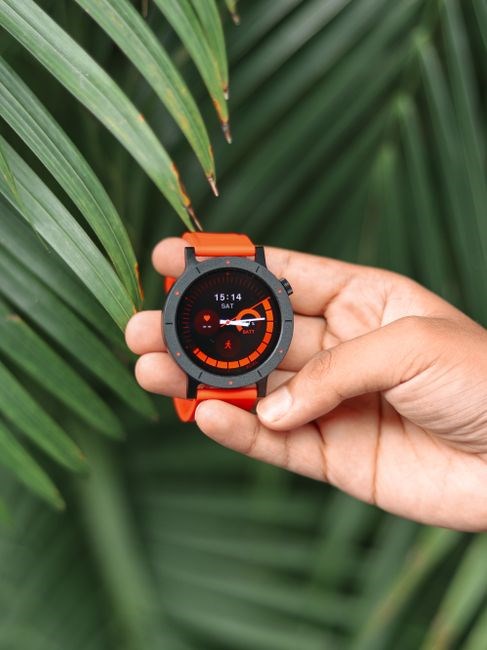
Da Fit Watch offers a lightweight, stylish design with a full‑color display. It tracks heart rate, steps, sleep, and supports notifications. Pairing is simple via the Da Fit app, and the watch syncs data to iOS or Android for detailed insights. It supports 24‑hour heart rate monitoring and sleep stages daily.
Unboxing and Initial Setup
When you receive the Da Fit Watch, the package contains the smartwatch itself, a magnetic charging dock, a quick‑start guide, and a small USB‑C cable for firmware updates. The watch’s band is adjustable, and the strap material is a soft silicone that feels comfortable after a few minutes of wear. The quick‑start guide is concise, outlining the steps to power on the device, download the Da Fit app, and pair the watch with your smartphone.
Power on the watch by pressing the side button until the LED indicator lights up. The device will enter pairing mode automatically, displaying a short code on the screen. Open the Da Fit app on your iOS or Android phone, tap “Add Device,” and scan the code shown on the watch. The app will prompt you to confirm the pairing by entering the four‑digit code “0000” displayed on the watch. Once the code is accepted, the watch unlocks and connects to the phone over Bluetooth.
After the initial pairing, the app will guide you through a brief onboarding process. You’ll be asked to set up a user profile, including age, gender, height, and weight, which helps the watch calculate calorie burn and heart‑rate zones accurately. The app also requests permission to access notifications, location, and health data, enabling the watch to deliver real‑time alerts and sync activity metrics to your phone’s health platform.
During this initial setup, the watch’s firmware will automatically check for updates. If a newer firmware version is available, the app will prompt you to download and install it. This ensures that the device runs the latest software, providing improved battery life and additional features. Once the firmware update completes, the watch will reboot, and you’ll see a confirmation screen indicating that the device is ready for use.
At this point, you can explore the basic watch interface. Swipe left or right to navigate between the main screens: Activity, Heart Rate, Sleep, and Settings. A quick tap on any icon will open the corresponding detailed view. The watch’s battery indicator is displayed in the top corner, showing the current charge level. To charge the device, simply place it on the magnetic dock; the LED will glow green when charging is complete.
Finally, the app offers a “Test Connection” feature that verifies the Bluetooth link between the watch and phone. If the test succeeds, you’ll receive a confirmation message, and the watch will be fully integrated into your health ecosystem. This completes the unboxing and initial setup process, leaving you ready to track your fitness goals with the Da Fit Watch.

Downloading the Da Fit App
To begin using your Da Fit Watch, you first need to download the official Da Fit app. Open the App Store on iOS or Google Play Store on Android. In the search bar type “Da Fit” and look for the app published by the manufacturer. The icon is a stylized watch face with a green accent. Tap the download button, wait for the installation to complete, and then launch the app from your home screen.
Upon opening, you’ll be greeted with a welcome screen that offers “Sign In” or “Create Account.” If you already have a Da Fit account, simply enter your credentials. New users should tap “Create Account” and fill in the required fields: email address, password, and a brief profile with name, age, gender, height, and weight. These details help the app calibrate your activity metrics and provide personalized insights.
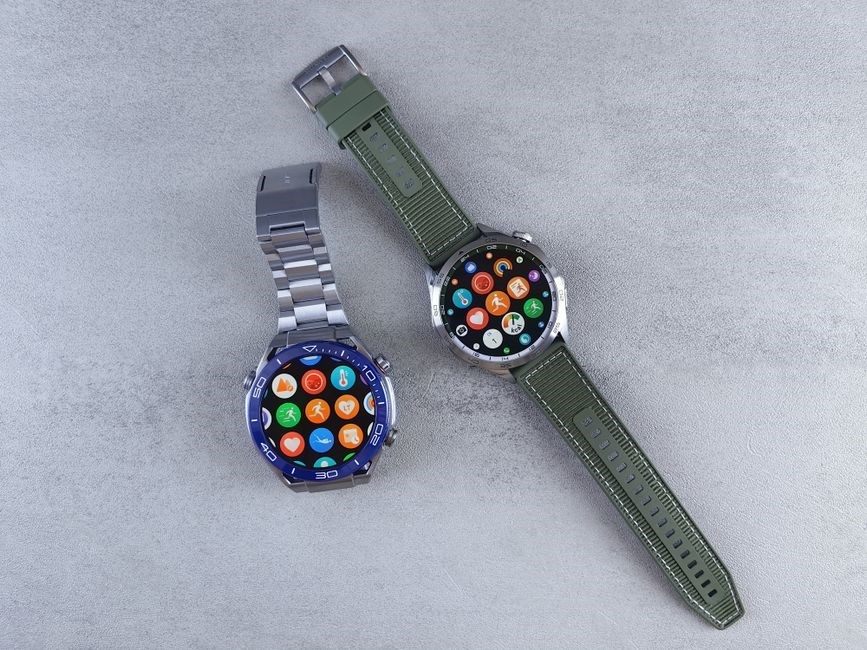
After account creation, the app will prompt you to allow permissions for notifications, location, and health data. Granting these permissions ensures that the watch can deliver real‑time alerts, sync activity data to your phone’s health platform, and use GPS for outdoor workouts. Once permissions are granted, the app will display a “Ready to Pair” screen, indicating that the Da Fit Watch is now available for connection.

At this point, you can also explore the app’s settings menu to customize notification sounds, vibration patterns, and data sync intervals. The “Help” section provides quick tips and FAQs for troubleshooting common issues during the initial download and setup.
The app size is about 45 MB, and it supports multiple languages including English, Spanish, and Chinese. You can change the language in Settings > Language. The app also offers a tutorial that walks you through key features such as activity tracking, heart rate monitoring, and sleep analysis. Completing the tutorial is optional but recommended for first‑time users.

If you encounter download errors, ensure your device meets the minimum OS requirements: iOS 13 or later, Android 8.0 or newer. Also, check that you have sufficient storage space and a stable internet connection. The app can be updated automatically; you’ll receive a notification when a new version is available.
Once the app is installed, you can log in or create a new account to sync your data. The initial sync may take a few minutes, especially if you have a large history of past workouts. After syncing, the watch will automatically upload new data each time it reconnects to the phone.
Remember to keep the app updated to benefit from the latest features, bug fixes, and security patches. You can enable automatic updates in your device’s settings to avoid missing critical improvements.
Pairing the Watch with the App
After installing the Da Fit app, open it and tap “Pair New Device.” The watch will enter pairing mode automatically, indicated by a flashing icon on the screen. On the phone, select the watch from the list of nearby Bluetooth devices. If prompted, enter the default code “0000” to unlock the device. Once the connection is established, the app will display a confirmation message and begin syncing data.
To unbind the watch, go to the app’s device list, tap the three‑dot menu next to the watch, and choose “Unbind.” Confirm the action; the watch will reset its Bluetooth pairing and return to factory settings. For iOS users, you may need to go to Settings > Bluetooth and tap the “i” icon next to the watch, then select “Forget This Device.” This ensures the watch is fully detached.
During the initial pairing, the app may request permission to access health data. Granting this permission allows the watch to record heart rate, steps, and sleep metrics directly into the phone’s health platform. If you decline, the watch will still track activity but the data will not sync to the health app.
After pairing, you can customize notification settings. In the app’s settings menu, toggle “Enable Notifications” to receive alerts for calls, messages, and app reminders. The watch will vibrate or display a banner when a notification arrives. Adjust the vibration strength and sound tone to suit your preference.
For Bluetooth calling, enable the “Call Feature” in the app. The watch will then display incoming call notifications, allowing you to answer or decline directly from the wrist. Ensure your phone’s Bluetooth is active and the watch is within range for seamless connectivity.
To maintain a stable connection, keep the watch charged and avoid placing it near strong magnetic fields. If you experience intermittent syncing, try restarting both the watch and the phone, then re‑pair. The watch’s firmware is updated automatically when connected to Wi‑Fi, ensuring you have the latest features and bug fixes.
Binding and Unbinding Procedures
Binding a Da Fit Watch to the Da Fit App ensures secure data transfer and personalized settings. To bind, first power on the watch and open the Da Fit App on your smartphone. Tap “Add Device” and select the watch from the list of nearby Bluetooth devices. When prompted, enter the default code “0000” to unlock the device. The app will confirm a successful connection and automatically sync the watch’s firmware and user profile.
Unbinding is straightforward but requires a few deliberate steps to avoid accidental data loss. In the Da Fit App, navigate to the device list and locate the bound watch. Tap the three‑dot menu next to the watch name, then choose “Unbind.” A confirmation dialog will appear; select “OK” to proceed. The watch will reset its Bluetooth pairing, return to factory settings, and disconnect from the app. For iOS users, you may also need to go to Settings > Bluetooth, tap the “i” icon beside the watch, and choose “Forget This Device.” This ensures the watch is fully detached and ready for a new pairing session.
When re‑binding after an unbind, the watch will start in pairing mode automatically. Follow the same steps as the initial binding process. Note that any data stored on the watch will be erased during the unbind process, so it is advisable to back up activity logs via the app before proceeding. The binding process also establishes a secure channel for firmware updates, which are delivered automatically when the watch is connected to Wi‑Fi.
When re‑binding after an unbind, the watch will start in pairing mode automatically. Follow the same steps as the initial binding process. Note that any data stored on the watch will be erased during the unbind process, so it is advisable to back up activity logs via the app before proceeding. The binding process also establishes a secure channel for firmware updates, which are delivered automatically when the watch is connected to Wi‑Fi. It works with Android and iOS.
Binding a Da Fit Watch to the Da Fit App ensures secure data transfer and personalized settings. To bind, first power on the watch and open the Da Fit App on your smartphone. Tap “Add Device” and select the watch from the list of nearby Bluetooth devices. When prompted, enter the default code “0000” to unlock the device. The app will confirm a successful connection and automatically sync the watch’s firmware and user profile.
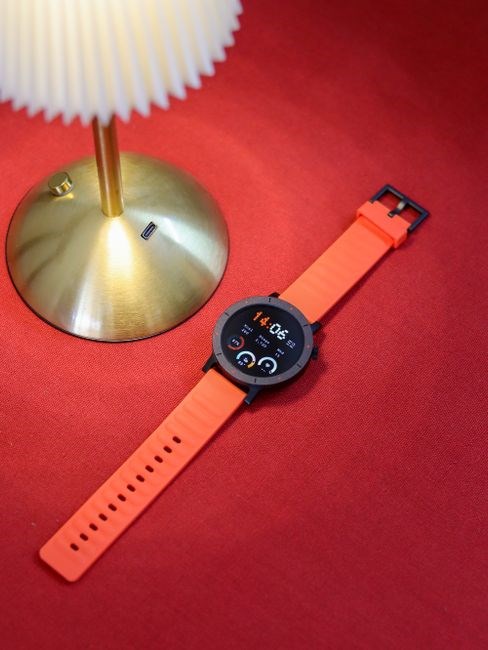
Unbinding is straightforward but requires a few deliberate steps to avoid accidental data loss. In the Da Fit App, navigate to the device list and locate the bound watch. Tap the three‑dot menu next to the watch name, then choose “Unbind.” A confirmation dialog will appear; select “OK” to proceed. The watch will reset its Bluetooth pairing, return to factory settings, and disconnect from the app. For iOS users, you may also need to go to Settings > Bluetooth, tap the “i” icon beside the watch, and choose “Forget This Device.” This ensures the watch is fully detached and ready for a new pairing session.
When a factory reset is performed, backup data remains safe in cloud, but local copy on watch is lost. Therefore, it is recommended to back up before resetting. If you wish to delete all data permanently, use the “Erase All Data” option in the “Settings” menu after the reset. This ensures that no residual information remains on the device. The reset process is device‑specific and cannot be reversed; once completed, the watch will require a fresh pairing with the Da Fit App daily!!

Wrist Fit and Sensor Maintenance
Ensure the watch fits snugly on your wrist, clean the sensors regularly, and avoid wearing during intense arm movements. Wash the band with mild soap, dry thoroughly, and replace the strap every 6 months to maintain comfort. Check the sensor alignment daily; misalignment can lead to inaccurate readings!!!
Navigating the Watch Interface (Swipe Gestures)
Swipe left, right, up, or down on the screen to cycle through the main menu, notifications, fitness data, and settings. A single left swipe moves to the previous screen, while a right swipe advances to the next. Swiping up reveals quick‑access shortcuts such as heart‑rate, step count, and sleep metrics, whereas swiping down returns you to the home view. To access deeper options, tap the screen to open the contextual menu, then swipe to scroll through sub‑menus. A long‑press gesture on any widget opens a pop‑up with additional controls, like toggling the display brightness or enabling silent mode. The watch also supports a two‑finger pinch to zoom in on graphs for detailed analysis. For quick face changes, simply swipe left or right on the watch face itself; the device will cycle through the pre‑installed themes. When a new notification arrives, a brief banner appears at the top; swipe down to dismiss or tap to view the full message. The intuitive swipe system ensures that users can navigate all features without a physical button, making the Da Fit experience fluid and user‑friendly. Users can also customize swipe actions in the settings menu, assigning specific functions to each gesture. For example, swiping left while in the heart‑rate screen can toggle between daily and weekly views. The gesture sensitivity can be adjusted to accommodate different hand sizes, ensuring a comfortable experience for all users. Additionally, the watch provides haptic feedback on each swipe, confirming the action without the need to look at the screen. This feature is especially useful during workouts or when the watch is in a pocket. By mastering these swipe gestures, users can quickly access the most frequently used features, making the Da Fit Watch a powerful companion for daily health monitoring and communication. The interface is designed to be intuitive for both new and experienced users, with clear icons and concise labels. The watch also supports multi‑language displays, allowing users to switch between English, Spanish, French, and other languages directly from the settings. This flexibility ensures that the device is accessible to a global audience. Furthermore, the watch’s battery life is optimized to support continuous swipe navigation without draining power quickly. Users can monitor battery status by swiping down from the top of the screen, where a small icon displays the remaining percentage. If the battery is low, a gentle vibration will alert the wearer to charge the device. By combining these features, the Da Fit Watch delivers a seamless, gesture‑driven user experience that adapts to the user’s preferences and lifestyle. Moreover, the watch’s firmware updates can be triggered via the app, adding new swipe shortcuts and improving gesture recognition over time, ensuring that the device stays up to date and responsive to user needs.
Enabling Notifications
Launch the Da Fit app on your phone and go to Settings → Notifications. Turn the master switch to On to allow the watch to pull data. Enable Bluetooth and pair the watch; a green checkmark confirms the connection. Grant Notification Access in the app’s App Permissions section so the watch can read incoming messages. For iOS, enable Allow Notifications in Settings → Privacy → Notifications; for Android, enable App notifications in Settings → Apps & notifications → Da Fit. After permissions, select the apps you want to sync; toggle each to On. The watch will show a banner for each alert; swipe down to dismiss or tap to view the full message. To silence alerts during workouts, enable Do Not Disturb in the app’s Settings and schedule it for active hours. The watch’s firmware should be updated via the app to keep notification protocols current. You can also customize notification sounds by choosing a tone in Sounds, and enable Vibrate on Alert for haptic feedback. The Quiet Hours feature mutes notifications during specified times; set it in Settings → Quiet Hours. If battery saver mode on your phone interferes with Bluetooth, disable it to ensure real‑time alerts. To disable a specific app’s notifications, toggle it off in the app list; the watch will stop showing alerts from that source. Toggle Silent Mode in Settings to mute alerts while still receiving them on your phone. Custom vibration patterns are available under Settings → Vibration; choose one that suits you. Charge for uninterrupted service. Enjoy seamless connectivity. Stay connected. Always.
Bluetooth Calling Feature
To use the Da Fit watch’s Bluetooth calling, first ensure the watch is fully charged and paired with your phone via the Da Fit app. Open the Da Fit app, navigate to Settings → Phone, and enable Bluetooth Calling. The watch will request permission to access your contacts; grant it in the phone’s Settings → Privacy → Contacts. Once permissions are granted, the watch will display a list of recent calls and contacts. To answer a call, simply tap the screen; to reject, swipe left or right. For voice commands, press and hold the side button to activate the built‑in microphone. The watch supports hands‑free calling, so you can speak and listen through the watch speaker or a connected Bluetooth headset. If you want to transfer a call to your phone, tap the Transfer icon; the call will move to the phone’s audio output. To end a call, tap the End button. The watch also records call duration in the History section of the app. Ensure your phone’s Do Not Disturb mode is off for incoming calls to be forwarded. For optimal performance, keep both devices within 10 meters and avoid heavy interference from other Bluetooth devices. If the call quality is poor, try resetting the Bluetooth connection: unpair the watch in the phone’s Bluetooth settings, then re‑pair through the Da Fit app. This should resolve most connectivity issues. Remember to keep the watch firmware updated via the app to maintain compatibility with the latest Android or iOS updates. Enjoy seamless communication right from your wrist. The feature is ideal for commuters, travelers, and anyone who prefers quick, on‑the‑go conversations without pulling out a phone. Always keep the watch’s battery topped up, and remember that the call quality may vary with network coverage and Bluetooth signal strength.
Customizing Watch Faces
The Da Fit watch allows users to personalize their display through a variety of watch faces. To begin, open the Da Fit app and navigate to the Watch Face section. Here you can choose from pre‑installed templates or download new ones from the marketplace. Once a face is selected, tap the preview to access customization options. You can adjust the color palette, background image, and data widgets. The app supports dynamic widgets that display real‑time heart rate, step count, or battery level. For advanced users, the watch offers a “DIY” mode where you can create a custom layout by dragging and dropping individual modules. After configuring the face, press “Save” and the watch will sync the new design automatically. If you prefer a minimal look, select the “Classic” face and enable the “Hide Activity” toggle to keep the display simple. The watch also supports live‑photo backgrounds; to set one, choose a photo from your phone’s gallery and adjust its brightness and zoom. Remember to keep the watch firmware updated to ensure compatibility with the latest face templates. When you return to the watch, swipe left or right to cycle through available faces. The watch will remember the last selected face and apply it after a reboot. For quick changes, long‑press the screen to bring up the face picker, then tap the desired face. The Da Fit watch also offers a “Night Mode” that automatically switches to a darker face when the ambient light is low, improving battery life. Feel free to experiment and enjoy the flexibility!!!
Troubleshooting Common Issues
When the Da Fit watch fails to connect, first check that Bluetooth is enabled on your phone and that the watch is within 10 cm. If the app shows “Device not found,” press the power button twice to reset the connection and re‑pair. If battery drain, ensure the watch face is set to a low‑brightness mode and disable unused sensors. A sudden drop in heart‑rate accuracy often indicates a dirty sensor; wipe the back with a soft cloth. If notifications stop appearing, open the Da Fit app, go to Settings → Notifications, and toggle the desired apps. When the watch freezes or becomes unresponsive, perform a quick reset by holding the power button for 10 s; this will not erase data. Persistent sync errors can be resolved by uninstalling and reinstalling the Da Fit app, then re‑pairing the device. Should the watch show a “Firmware update required” message, download the latest firmware from the app’s Update section and follow the on‑screen prompts. For unbinding issues, go to Settings → Device → Unbind, confirm, then re‑bind. Should the watch display a “Low memory” warning, delete unused watch faces or apps from the app store. Finally, if all else fails, use the factory reset option in Settings → System → Reset, but back up your data first. Contact support if the problem persists after these steps. If you encounter any other anomalies, consult the Da Fit support portal, where FAQs and community forums provide step‑by‑step solutions, updating the firmware to the version to resolve compatibility glitches.!!