
Suit Jacket Length Guide: A Comprehensive Overview (Updated 12/09/2025)
Navigating suit jacket lengths is crucial for a polished look; current trends favor versatility‚ blending formal and casual styles‚ while a proper fit enhances silhouette and confidence.
Understanding the Importance of Jacket Length
Jacket length significantly impacts overall proportion and silhouette. A well-chosen length can elongate the torso‚ creating a more streamlined and flattering appearance. Conversely‚ an incorrect length can make one appear shorter or disproportionate.
The ideal length balances style with functionality‚ ensuring comfort and ease of movement. Modern preferences lean towards versatility‚ allowing suits to transition seamlessly between formal and casual settings.
Considering body type and current fashion trends is paramount; a jacket should complement‚ not overwhelm‚ your physique. Ultimately‚ mastering jacket length is key to achieving a powerful and attractive aesthetic.
Standard Jacket Lengths: A Breakdown
Traditionally‚ suit jacket length is measured by the drop – the difference between the jacket length and chest size. Standard lengths generally fall between 29 to 32 inches‚ correlating with varying heights and builds. A classic length typically covers the seat‚ offering a balanced and timeless silhouette.
However‚ modern variations introduce shorter and longer options. Shorter jackets‚ trending currently‚ offer a contemporary aesthetic‚ while longer jackets maintain a formal and sophisticated air. Understanding these variations is crucial for selecting the appropriate style.
Short Suit Jackets: The Modern Trend
Shorter suit jackets‚ gaining popularity‚ typically measure around 28-30 inches in length. This style presents a more youthful and fashion-forward appearance‚ diverging from traditional‚ longer cuts. They often feature a higher button stance‚ contributing to a streamlined silhouette. This trend reflects a shift towards less formalwear and more adaptable suiting options.
These jackets pair well with contemporary trousers and offer a relaxed yet refined aesthetic. They’re ideal for those seeking a modern twist on classic tailoring‚ emphasizing a confident and stylish presence.
Who Should Consider a Shorter Jacket?
Individuals with shorter torsos or a more athletic build often benefit from shorter jacket lengths. These proportions help avoid a boxy or overwhelming appearance‚ creating a balanced silhouette. Taller individuals can also pull off this style‚ especially when aiming for a more contemporary and fashion-forward look.
Those who prefer a less formal aesthetic or frequently wear suits in casual settings might find shorter jackets particularly appealing. They’re a great choice for those wanting to project confidence and a modern sensibility.
Styling Tips for Short Jackets
Pairing a short jacket with high-waisted trousers is key to maintaining proportion. This elongates the legs and prevents the jacket from looking disproportionately small. Consider slimmer-fit pants to complement the jacket’s modern silhouette. A slightly narrower lapel can also enhance the overall aesthetic.
Avoid overly bulky shirts or sweaters underneath‚ as they can disrupt the jacket’s clean lines. Embrace a more streamlined look with fitted shirts or lightweight knitwear. Confidence is crucial when sporting this trend!
Regular/Classic Suit Jacket Lengths: The Timeless Choice
Classic suit jacket lengths remain a staple for their versatility and universally flattering fit. Typically falling around the mid-fly‚ these jackets offer a balanced proportion suitable for most body types. They seamlessly transition from business settings to more relaxed occasions‚ embodying enduring style.
This length provides ample coverage without appearing overly formal or restrictive. It’s a safe and sophisticated choice‚ offering a foundation for building a refined wardrobe. A well-tailored classic jacket is an investment in timeless elegance.
Ideal Body Types for Classic Lengths

Classic jacket lengths generally suit individuals with average builds and proportional physiques. Those of medium height and a balanced shoulder-to-torso ratio will find this length particularly flattering‚ creating a harmonious silhouette. It works well for both athletic and slimmer builds‚ providing structure without appearing boxy.
Men with broader shoulders also benefit‚ as the classic length balances their upper body. However‚ very short or tall individuals may need adjustments to achieve optimal proportions; tailoring is key for a perfect fit.
Versatility of Classic Length Jackets
Classic suit jacket lengths excel in adaptability‚ seamlessly transitioning between formal and smart-casual settings. They pair effortlessly with traditional suit trousers for business meetings or special occasions‚ projecting authority and sophistication. However‚ these jackets also shine when combined with chinos or dark-wash jeans‚ creating a refined yet relaxed aesthetic.
This versatility makes them a cornerstone of any well-rounded wardrobe‚ suitable for diverse events and personal styles. They remain a timeless choice‚ unaffected by fleeting fashion trends.
Long Suit Jackets: A Formal Statement

Longer suit jackets traditionally signify formality and are best reserved for black-tie events or highly professional settings. These jackets typically extend below the hips‚ creating a more elongated and sophisticated silhouette; They demand a certain level of confidence and are often associated with power dressing‚ reminiscent of iconic figures like James Bond.
Pairing them with matching formal trousers and a crisp dress shirt is essential to complete the look‚ ensuring a cohesive and impactful presentation.
When to Opt for a Longer Jacket
Consider a longer jacket for events demanding a strong‚ authoritative presence. Black-tie affairs‚ important business meetings‚ and formal galas are ideal scenarios. These jackets project a classic‚ sophisticated image‚ conveying respect and attention to detail. They work exceptionally well with full-cut trousers‚ creating a balanced and harmonious proportion.
However‚ avoid longer lengths for casual settings; they can appear overly formal and out of place. Prioritize the occasion and desired impression when making your choice.
Pairing Long Jackets with Different Outfits
Longer jackets excel with classic‚ tailored trousers‚ creating a streamlined silhouette. Pair them with dress shirts and ties for formal events‚ or opt for a refined knit polo for a slightly more relaxed‚ yet still sophisticated‚ look. Avoid pairing with overly trendy or casual bottoms like distressed jeans‚ as this clashes with the jacket’s formality.
For a modern twist‚ consider a turtleneck underneath during cooler months. Remember‚ balance is key – the outfit should complement‚ not compete with‚ the jacket’s length and presence.
How to Measure Suit Jacket Length
Accurate measurement ensures a flattering fit. Begin by standing straight and having someone else measure from the highest point of your shoulder (where the seam meets the sleeve) down to the desired hemline. Consider where you want the jacket to fall – typically covering the seat.
A flexible measuring tape is essential. Note the measurement in inches or centimeters. Repeat the process for several jackets to compare lengths and establish your preferred style.
Tools You’ll Need
Precise measurements require minimal‚ yet essential‚ tools. First‚ a flexible measuring tape is paramount – cloth or vinyl works best‚ conforming to the body’s curves. A full-length mirror allows for visual assessment during the process‚ ensuring proper posture.
Having a helper is highly recommended for accurate shoulder-to-hem measurements. Finally‚ a notebook and pen are useful for recording measurements‚ preventing confusion and aiding comparison between different jackets.
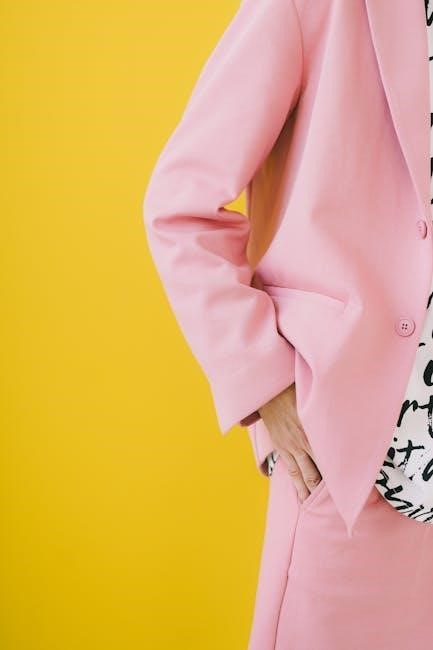
Step-by-Step Measurement Guide
Begin by standing straight with relaxed shoulders. Have your helper measure from the center back of your neck (where a shirt collar would sit) down to your desired jacket length – typically covering the seat.
For shoulder measurements‚ measure from shoulder point to shoulder point. Record all measurements accurately. Compare these figures to size charts‚ remembering that variations exist between brands. A well-taken measurement is the foundation of a perfect fit!
Jacket Length Based on Body Height
For individuals under 5’8”‚ a shorter jacket length – around 29-30 inches – prevents a swamped appearance‚ maintaining proportion. Those between 5’8” and 6’ generally suit a classic 31-32 inch length‚ offering versatility.
Taller individuals‚ exceeding 6’‚ can confidently wear longer jackets‚ 33-34 inches‚ creating a balanced silhouette. Remember these are guidelines; build and personal preference matter. Prioritize a length that complements your overall physique and style.
Jacket Length for Shorter Individuals
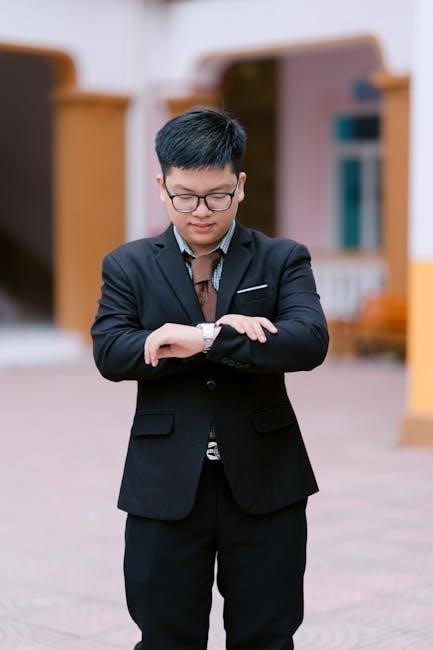
Men under 5’8” benefit from shorter jacket lengths‚ typically 29 to 30 inches. This prevents the jacket from overwhelming the frame and maintains proportional balance. Avoid excessively long jackets as they can create a visually stunted appearance.
A well-fitted‚ shorter jacket elongates the torso and creates a more streamlined silhouette. Consider a higher button stance to further enhance this effect. Focus on tailoring to ensure a precise fit‚ as even slight adjustments can make a significant difference.
Jacket Length for Taller Individuals
For individuals exceeding 6’ tall‚ a longer jacket length – 32 to 33 inches‚ or even 34 inches – is generally more flattering. This prevents the jacket from appearing disproportionately short when standing or moving. Longer lengths maintain visual balance and project a sophisticated aesthetic.
Avoid jackets that are too short‚ as they can make the torso appear compressed. Consider a lower button stance to complement the longer length and enhance the overall silhouette. Tailoring is essential to ensure a perfect fit and prevent a boxy or awkward appearance.
Jacket Length and Sleeve Length Correlation
Jacket and sleeve length are intrinsically linked; a well-proportioned suit requires careful consideration of both. Generally‚ a longer jacket necessitates a slightly longer sleeve‚ ensuring the shirt cuff extends approximately ½ inch beyond the jacket cuff. This subtle detail conveys attention to detail and refinement.
Conversely‚ a shorter jacket often pairs with a shorter sleeve length. Incorrect sleeve length can ruin the entire look‚ appearing either sloppy or constricting. Professional tailoring is vital to achieve the correct sleeve pitch and length‚ complementing the jacket’s overall proportions.
Jacket Length Variations by Style
Suit jacket length significantly varies depending on the style. Single-breasted jackets typically exhibit a more versatile length‚ accommodating both classic and modern aesthetics. Double-breasted jackets traditionally feature a longer length‚ projecting a more formal and authoritative presence.
Sport coats‚ designed for casual wear‚ often have shorter lengths and a less structured silhouette. Understanding these distinctions is key; a sport coat’s relaxed length differs from a suit jacket’s precise proportions. Choosing the right length enhances the intended style and overall impression.
Single-Breasted vs. Double-Breasted Jackets
Single-breasted jackets offer greater length flexibility‚ generally falling within standard to slightly shorter ranges‚ promoting a modern‚ adaptable style. Double-breasted jackets‚ conversely‚ traditionally demand a longer length‚ creating a more formal and commanding silhouette.
The overlap of the lapels on a double-breasted jacket necessitates extra length for proper closure and drape. Single-breasted styles allow for experimentation with shorter cuts‚ while double-breasted designs maintain a classic‚ elongated aesthetic. Consider the occasion and desired formality when selecting.
Sport Coat vs. Suit Jacket Length
Sport coats typically exhibit shorter lengths compared to suit jackets‚ prioritizing a more relaxed and casual appearance. Suit jackets adhere to more structured length guidelines‚ often aligning with classic or slightly longer proportions for formal settings.
The shorter length of a sport coat allows for greater freedom of movement and pairs well with separates like chinos or jeans. Suit jackets‚ designed as part of a coordinated ensemble‚ maintain a consistent length to complement the trousers. Consider the intended use and overall outfit composition when choosing.
Common Mistakes to Avoid When Choosing Jacket Length
Ignoring body proportions is a frequent error; a jacket too long or short disrupts visual balance. Failing to consider your build – broad shoulders versus a slimmer frame – leads to an ill-fitting silhouette. Another mistake is blindly following trends without assessing personal suitability.
Overlooking the correlation between jacket and sleeve length creates an unbalanced appearance. Not accounting for the rise of your trousers impacts overall proportion. Prioritize fit over fashion and remember alterations are key to achieving a polished‚ personalized look.
Ignoring Proportions
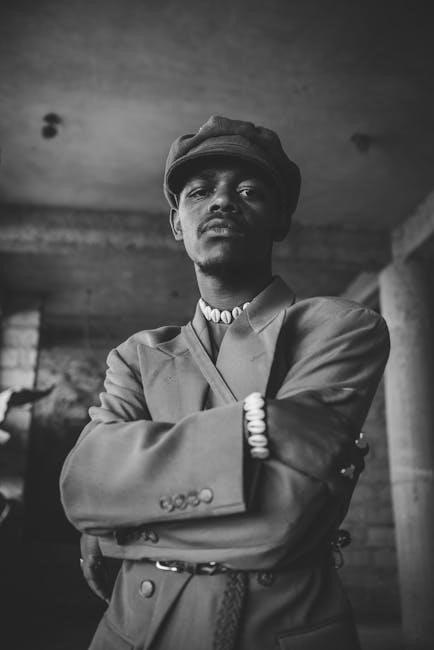
A fundamental error is selecting a jacket length that clashes with your body’s natural lines. Too long overwhelms a shorter torso‚ while too short makes longer torsos appear disproportionate. Consider the “V” shape – the jacket should accentuate this‚ not distort it.
Visual balance is key; the jacket’s length should complement your height and build. Pay attention to where the jacket hits your hips and thighs. A well-proportioned jacket elongates the torso and creates a more flattering silhouette‚ avoiding a boxy or awkward appearance.
Not Considering Your Build
Your body shape significantly impacts the ideal jacket length. A broader build benefits from a slightly longer jacket to create balance‚ while a slimmer frame can handle shorter lengths without appearing disproportionate. Ignoring your physique leads to an ill-fitting garment.
Shoulder width and chest size are crucial factors. A jacket should follow your natural contours‚ not fight against them. Consider whether you have a straight‚ athletic‚ or rounded build when selecting a length‚ ensuring a flattering and comfortable fit that enhances your overall appearance.
The Role of Jacket Length in Creating Silhouette
Jacket length dramatically influences perceived body proportions. A correctly proportioned jacket can elongate the torso‚ creating a leaner‚ more sophisticated appearance. Conversely‚ an incorrect length can shorten the body or make the legs appear disproportionately long or short.
Strategic length choices balance the upper and lower body. A well-fitted jacket defines the waist and creates a V-shape‚ enhancing masculinity or femininity. Consider how the jacket interacts with your trousers to achieve a harmonious and visually appealing overall silhouette‚ boosting confidence and style.
Elongating the Torso
A longer jacket line visually extends the torso‚ creating a taller and slimmer physique. This is particularly beneficial for individuals with shorter legs or a shorter overall stature. The jacket’s bottom should ideally cover the seat‚ establishing a longer vertical line.
Strategic buttoning and lapel style contribute to this effect. A single-breasted jacket with a moderate lapel can further enhance the illusion of length. Pairing with well-fitted trousers that aren’t excessively high-waisted maintains balance and maximizes the torso-elongating benefits.
Balancing Body Proportions
Jacket length plays a vital role in achieving harmonious body proportions. A well-chosen length prevents the outfit from appearing unbalanced‚ whether you’re tall‚ short‚ or somewhere in between. For broader shoulders‚ a slightly longer jacket can soften the silhouette. Conversely‚ narrower shoulders benefit from a more tailored‚ shorter length.
Consider your waistline; a jacket that hits at or near the natural waist can define the shape. Avoid extremes – overly long jackets can overwhelm a smaller frame‚ while excessively short jackets can disrupt the visual flow.
Jacket Length and Current Fashion Trends
Contemporary fashion leans towards versatility and relaxed tailoring‚ influencing jacket length preferences. Shorter‚ more fitted jackets are gaining popularity‚ offering a modern and youthful aesthetic. This shift reflects a broader move away from overly formal attire‚ embracing comfort and individual style.
However‚ classic lengths remain timeless‚ particularly for business or formal occasions. The key is adaptability; pairing a classic jacket with casual trousers creates a balanced‚ contemporary look. Experimentation is encouraged‚ but always prioritize a flattering fit.
Where to Find Suit Jackets with Accurate Length Information
Finding reliable length details requires careful shopping. Online retailers like Amazon‚ while vast‚ can have inconsistent sizing; always check detailed product descriptions and customer reviews for length specifics. Specialty menswear websites often provide more accurate measurements and size guides.
Brick-and-mortar stores offer the advantage of trying jackets on‚ ensuring a proper fit. Department stores and tailored suit shops usually have knowledgeable staff who can assist with measurements. Don’t hesitate to ask for help!
Online Retailers
Shopping online demands diligence regarding jacket length. Amazon‚ with its extensive selection‚ requires scrutinizing product details and user reviews for accurate sizing information – inconsistencies are common. ASOS and Nordstrom generally offer more detailed size charts‚ including jacket length measurements.
Mr Porter and other luxury retailers provide precise specifications. Always compare size guides across different brands‚ as they vary. Utilize customer Q&A sections to inquire about fit before purchasing.
Brick-and-Mortar Stores
Traditional stores offer a significant advantage: trying before buying. Department stores like Macy’s and Nordstrom provide a range of brands and lengths‚ allowing for immediate assessment of fit. Specialty suit retailers‚ such as Men’s Wearhouse‚ boast knowledgeable staff who can guide you through length options.
Don’t hesitate to request different sizes and styles to compare. Utilize the in-store tailor for preliminary adjustments‚ visualizing the final fit. Remember‚ consistent sizing isn’t guaranteed‚ so always try on.
Alterations: Adjusting Jacket Length for a Perfect Fit
Even with careful selection‚ alterations are often essential for a truly bespoke fit. A skilled tailor can expertly adjust jacket length‚ ensuring it complements your proportions. Common alterations include shortening sleeves and adjusting the body length for optimal balance.
Finding a qualified tailor is paramount; seek recommendations and review their previous work. Expect alteration costs to range from $50 to $150+‚ depending on complexity. Prioritize a precise fit – a well-altered jacket elevates your entire appearance.
Finding a Qualified Tailor
Locating a skilled tailor is paramount for achieving a perfect jacket fit. Begin by seeking recommendations from friends‚ colleagues‚ or online reviews. Look for tailors specializing in suit alterations‚ demonstrating expertise in garment construction. Don’t hesitate to ask about their experience and view examples of their previous work.
A consultation is crucial; discuss your desired adjustments and assess their understanding of your needs. Ensure clear communication and a comfortable rapport. A reputable tailor will offer precise measurements and a realistic timeline for completion.
Cost of Alterations
The cost of suit jacket alterations varies significantly based on complexity and location. Simple adjustments‚ like sleeve length or minor adjustments to the waist‚ typically range from $30 to $75. More extensive alterations‚ such as adjusting the jacket length or reshaping the shoulders‚ can cost between $80 and $200 or more.
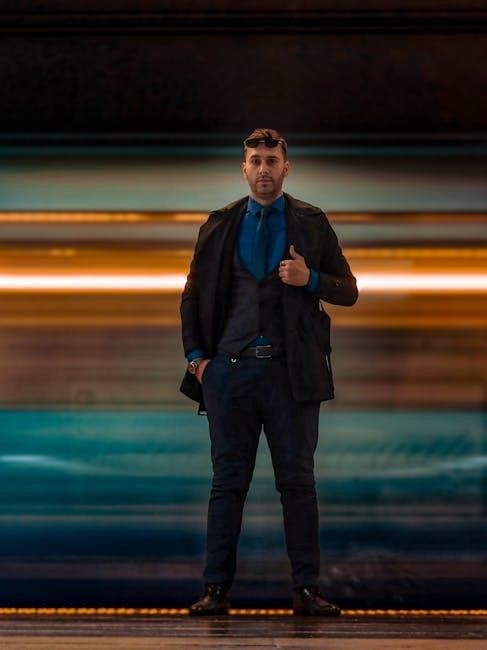
Factors influencing price include the tailor’s experience‚ the fabric of the jacket‚ and the time required. Obtain a clear quote before authorizing any work‚ and inquire about potential additional charges for unforeseen complexities.
Jacket Length and Fabric Weight Considerations
Fabric weight significantly impacts how a jacket’s length appears and feels. Heavier fabrics‚ like tweed or flannel‚ naturally have more structure and can support a slightly longer length without appearing overwhelming. Lighter fabrics‚ such as linen or lightweight wool‚ often benefit from shorter lengths to maintain a streamlined silhouette.
Consider the season; heavier fabrics are typically worn in cooler months‚ allowing for more substantial lengths‚ while lighter fabrics suit warmer weather and shorter cuts. Balance is key – ensure the length complements the fabric’s drape and weight.
Final Thoughts: Achieving the Right Look
Ultimately‚ the ideal suit jacket length is a personal decision‚ blending classic principles with modern sensibilities. Prioritize proportion and balance‚ considering your height‚ build‚ and personal style. Don’t hesitate to experiment with different lengths to discover what flatters you most.
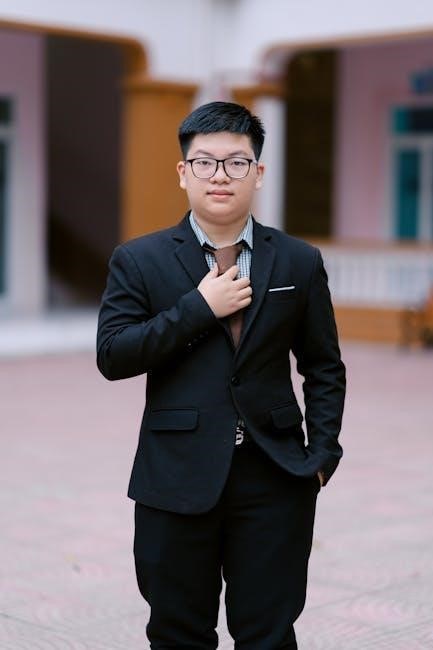
Remember that alterations are your friend! A tailor can fine-tune the length for a perfect fit. Embrace current trends while staying true to your aesthetic‚ and always prioritize comfort and confidence in your choice.