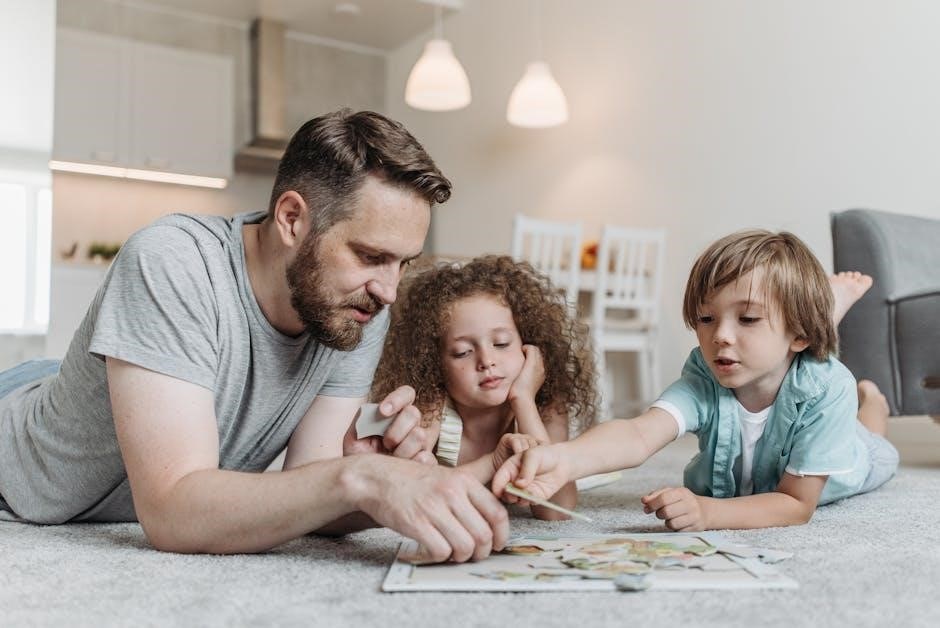
What are Elections?
Elections are how we choose our leaders! They’re a vital part of democracy, letting citizens have a voice and shape their communities’ future, according to guides.
Why We Have Elections
Elections exist because they empower us to pick the people who will make decisions for our towns, states, and country! It’s about having a say in how things are run, ensuring our voices are heard by those in power.
Without elections, a small group might decide everything for everyone, which isn’t fair. Elections allow citizens to choose leaders who represent their beliefs and values. They’re a cornerstone of a healthy democracy, fostering civic engagement and accountability.
Understanding why elections matter helps kids appreciate their future role as voters. Discussing current events and how elections impact daily life is crucial. Even protests and peaceful assembly demonstrate civic engagement, showing how people can influence decisions beyond just voting. It’s about understanding the significant role each citizen plays!
Who Gets to Vote?
Voting isn’t something everyone can do right away! Generally, you need to be a certain age – usually 18 – to participate in most elections. This is because voting is a big responsibility, requiring understanding of the issues and candidates.
However, there are rules about citizenship and residency too. You typically need to be a citizen of the country and live in a specific place to vote there. These rules ensure that voters have a genuine connection to the community they’re helping to shape.
While you might not be old enough to vote yet, it’s important to learn about the process now! Understanding who is eligible and why helps appreciate the value of civic participation. It’s a preparation for your future role as an informed and engaged citizen.
Understanding the Voting Process
Voting involves registering, finding your polling place, and marking a ballot with your choices – a straightforward process ensuring every voice contributes to democracy!
Registering to Vote (For Grown-Ups!)
Registering to vote is a crucial first step for adults participating in elections! It’s like signing up to have your say in choosing leaders. Before you can vote, grown-ups need to officially register with their state, providing proof they meet the requirements – usually being a citizen, a certain age, and living in that area.
This process ensures only eligible citizens participate. Registration often involves filling out a form with personal information, like name and address. Many states now offer online registration, making it easier than ever! Once registered, voters receive information about upcoming elections and where to cast their ballots. It’s a key part of responsible citizenship and helps ensure fair and accurate elections for everyone. Remember, this is for grown-ups – you’ll be able to vote when you’re older!
Where Do We Vote?
Voting doesn’t happen just anywhere! Typically, grown-ups head to designated polling places on Election Day. These are public locations like schools, libraries, or community centers, set up specifically for voting. Election officials are there to help guide voters through the process and ensure everything runs smoothly.
Some places also offer early voting, allowing people to cast their ballots in person at designated locations before Election Day. Another option is voting by mail, where a ballot is sent to your home, and you mail it back. It’s important to know where your assigned polling place is beforehand – you can usually find this information online or through your local election office. Knowing where to go makes voting easier and ensures your voice is heard!
What’s on the Ballot?
The ballot is the list of candidates and issues people are voting on! It might seem a little confusing at first, but it’s actually pretty straightforward. You’ll see names of people running for different offices – like mayor, governor, or president – and you get to choose who you think would do the best job.
Sometimes, there are also questions on the ballot about important issues, called propositions or measures. These ask voters to make decisions about laws or policies. Before Election Day, it’s a good idea to learn about the candidates and the issues so you can make informed choices. Understanding what’s on the ballot helps ensure your vote counts towards the things you care about!
People Involved in Elections
Elections need many helpers! Candidates, voters, and election officials all play crucial roles in making the process fair and allowing everyone’s voice to be heard.
Candidates: Who are they?
Candidates are people who want to hold a position in the government – like mayor, governor, or even President! They believe they have good ideas about how to lead and make things better for everyone.
Think of it like applying for a job. Candidates share their plans and ideas with voters, explaining why they would be a good fit for the role. They might talk about improving schools, helping local businesses, or protecting the environment.
To get their message out, candidates often give speeches, participate in debates (where they answer questions and discuss their views), and create advertisements. These ads are similar to commercials, but instead of selling a product, they’re “selling” a candidate and their ideas!
It’s important to remember that candidates come from all walks of life and have different backgrounds and experiences. Learning about each candidate helps voters make informed decisions on Election Day.
Voters: That’s You (When You’re Older!)
Voters are the people who get to choose their leaders in an election! Right now, you might be too young to vote, but one day, you’ll be old enough to participate and make your voice heard.
Voting is a really important right and responsibility. It means you get to help decide who will represent you and make decisions that affect your community and the country. Every vote counts, and even young citizens can influence the future by discussing issues with family and friends.
Before you can vote, you usually need to register – which is like signing up. Then, on Election Day, you’ll go to a polling place and fill out a ballot, marking your choice for each position.
Being a voter means staying informed about the candidates and the issues, and thinking carefully about who you believe will do the best job!
Election Officials: Helpers at the Polling Place
Election officials are the friendly people who help everything run smoothly on Election Day! They’re like the hosts of a very important event – the election. These dedicated individuals ensure the voting process is fair and accessible to everyone.
They set up the polling place, greet voters, check names on the voter list, and hand out ballots. They can also answer questions about the voting process and help if someone needs assistance. Election officials work hard to make sure everyone has a chance to cast their vote.
Sometimes, they even count the ballots after the polls close! It’s a big responsibility, and they take it very seriously. Sheila Smail, an election official, reported smooth voting in a recent primary, showing their dedication to a well-run election.
They are essential to a fair and democratic process, ensuring every voice is heard.
Important Election Terms
Key terms like “polling place” and “ballot” are essential for understanding elections, ensuring kids grasp how votes are cast and counted fairly.
Polling Place
Imagine a special location – that’s often a school, library, or community center – where people go to vote! This place is called a polling place. It’s super important because it’s where your voice gets heard. Election officials, helpful people dedicated to a fair process, are always there to assist voters.
When you become old enough to vote (which is exciting!), you’ll go to your assigned polling place on Election Day. It’s a busy place with lots of people exercising their right to choose leaders. Sometimes, there might even be a line, but it’s worth the wait! Election officials ensure everything runs smoothly and that everyone follows the rules.
Recently, in Missouri, voting went smoothly at polling places during the August Primary, showing how well-organized these locations can be. Remember, a polling place is a cornerstone of democracy, a place where citizens actively participate in shaping their future!
Ballot
A ballot is like a special list – it’s how you make your choices in an election! It shows all the candidates running for different jobs, like mayor or president. When you vote, you mark or fill in the bubble next to the name of the person you want to win.
Ballots can be paper or electronic, depending on where you live. It’s really important to read the ballot carefully and understand who you’re voting for. Sometimes, there are also questions about important issues, and you get to vote on those too!
Recently, a surprising event happened in Maine – a woman found 250 ballots in her Amazon package! This highlighted the importance of ballot security. Ballots are carefully protected to ensure every vote counts and that elections are fair. Your vote, marked on a ballot, is a powerful way to make a difference!
Majority Rule
Majority rule means that the choice with the most votes wins! It’s a fundamental principle of how decisions are made in a democracy, ensuring everyone’s voice is considered, but a clear winner emerges. Think of it like a class vote for what game to play – the game with the most votes gets chosen!
However, it’s not always just about the most votes. Sometimes, a candidate needs to get more than 50% of the votes to win outright. If no one reaches that number, there might be a runoff election, where the top two candidates face off again.
Understanding majority rule helps us accept election results, even if our favorite candidate doesn’t win. It’s a fair way to make decisions as a group, and it’s a key part of how our government works, respecting the will of the people!
Staying Informed About Elections
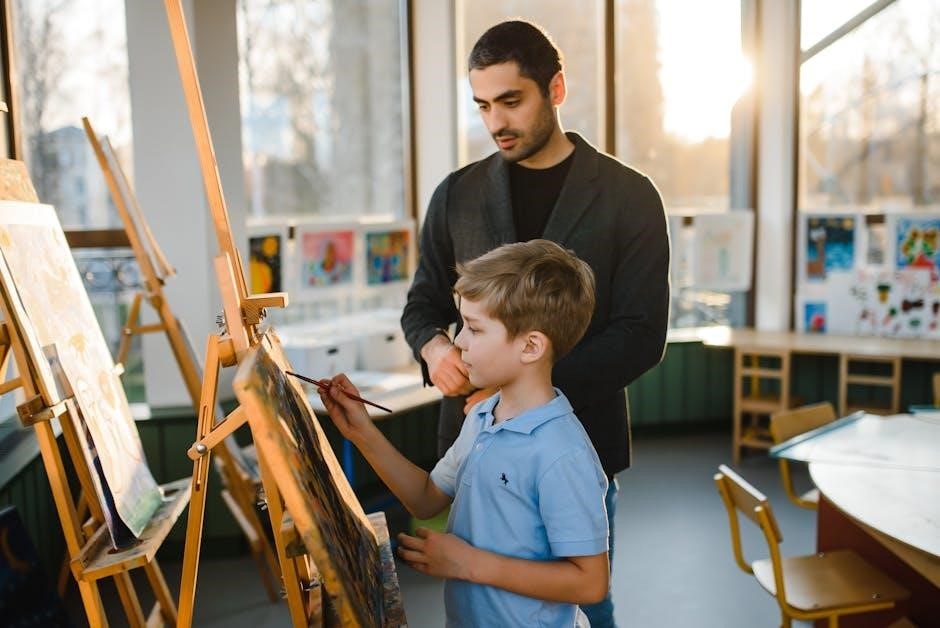
Stay informed by discussing current events and asking questions! Explore news, understand political ads, and learn to distinguish facts from opinions, as guides suggest.
News and Current Events
Following the news is a fantastic way to understand what’s happening during an election! Encourage kids to ask “why” questions about stories they hear, fostering critical thinking. Discuss how current events – things happening in the world right now – often become important topics for candidates to address.
For example, if there’s a debate about schools, ask your child what they think the candidates should say. This helps them connect the election to their own lives. Remember November 4th, 2025, when voters in Virginia, New Jersey, and NYC participated? Talking about these events makes elections feel real.
It’s also good to explore different news sources. A Michigan city council member’s actions (caught on camera stuffing a ballot box!) highlight why staying informed and questioning what you see is crucial. Encourage forming opinions based on information, not just what others say.
Political Advertising – What is it?
Political ads are like commercials, but instead of selling toys or cereal, they’re trying to sell you on a candidate! They aim to convince you that one person is the best choice to lead. Ask your child: how are these ads similar to regular commercials? Is a candidate being “sold” just like a product?
Discuss who pays for these ads – often, it’s the candidate’s campaign or groups supporting them. It’s important to understand that ads aren’t always presenting the whole story. They often highlight the best parts of a candidate and might not mention challenges.
Can political ads influence an election? Absolutely! That’s why it’s vital to think critically about what you see and hear. Jim Acosta’s podcast featuring Kathy Griffin shows how even seemingly absurd encounters can relate to election discussions.
Fact vs. Opinion
Facts are things we can prove – like the date of an election (November 4, 2025, in Virginia, New Jersey, and NYC!). Opinions are what someone believes, and others might disagree. For example, “Candidate X is the best” is an opinion, not a fact.
Political ads and news often mix facts and opinions. It’s crucial to learn to tell the difference! Encourage kids to ask questions: “How do we know this is true?” or “Is this someone’s belief, or can we prove it?”
Even discussions about current events require separating fact from interpretation. Kathy Griffin’s “wild election denialism” (as discussed on Jim Acosta’s podcast) represents an opinion, potentially based on differing interpretations of facts. Learning this skill helps kids form their own informed opinions!

Civic Engagement & Elections
Civic engagement, like protests and voicing opinions, is a key part of democracy! It allows citizens to participate beyond just casting a ballot, as guides explain.
Protests and Peaceful Assembly
Protests are a powerful way for people to share their thoughts and feelings about elections or government decisions! They’re a form of civic engagement, meaning getting involved in how your community and country are run. It’s super important that protests are peaceful – that means no violence or destruction.
When people protest, they’re using their right to freedom of speech, which is a really important part of democracy. They might march with signs, chant slogans, or hold rallies. These actions help bring attention to issues they care about and encourage leaders to listen.
Think of it like this: if you feel strongly about something, you can talk to your family and friends, write a letter, or even join a peaceful protest to make your voice heard. Remember, respectful dialogue and peaceful assembly are cornerstones of a healthy democracy, as many guides emphasize!
The Importance of Asking Questions
Asking questions is one of the most important things you can do when learning about elections! Don’t just accept what you hear – dig deeper and find out the facts for yourself. Elections can be complicated, and it’s okay to be curious and want to understand more.
Who are the candidates? What do they believe in? How will their decisions affect you and your community? Where does your information come from, and is it reliable? These are all great questions to ask! Encourage your family and friends to discuss these topics openly.
Remember, forming your own opinions requires thinking critically and seeking out different perspectives. Don’t be afraid to challenge assumptions and ask “why?” A well-informed citizen is a powerful citizen, and questioning is the first step!
Election Security & Fairness
Fair elections are crucial! Reports show ballots sometimes get misplaced – like 250 found in a package – highlighting the need for secure voting processes;
What Happens if Something Seems Wrong?
If you or a grown-up notice something unusual during an election, it’s important to speak up! This could be anything from long lines and confusing instructions to concerns about how ballots are being handled. Election officials are there to help, so asking questions is a great first step.
Remember the Michigan city council member caught on camera? That’s an example of something that seemed wrong and was investigated. Reporting issues helps ensure everyone follows the rules. It’s also important to understand that sometimes things look suspicious but are perfectly normal parts of the process.
What can you do? Encourage adults to report any concerns to election officials immediately. They have procedures for investigating and addressing problems. Talking about these issues openly helps build trust in the election process and reinforces the importance of fairness for everyone involved. Don’t spread rumors – stick to verified information!
Ballot Security Concerns
Keeping ballots safe and secure is super important! It ensures that every vote counts and that the election results are accurate. Sometimes, things happen that raise concerns about ballot security, like the Maine woman who found ballots in her Amazon package – that’s definitely not how it should work!
Election officials take many steps to protect ballots. These include secure storage, tracking systems, and strict rules about who can handle them. They also work to prevent fraud and ensure that only eligible voters can cast a ballot.
What can be done? Reporting any suspicious activity is key. Also, understanding that there are safeguards in place can help ease worries. While issues can occur, remember that many people are dedicated to making sure elections are fair and secure. Learning about these processes builds confidence in our democracy!
After the Election
Even after voting ends, being a good citizen continues! Accepting results, whether your candidate wins or not, and staying involved are crucial steps.
Accepting the Results
Sometimes, the candidate you hoped would win doesn’t. That can feel disappointing, and it’s okay to feel sad or frustrated! However, a key part of a healthy democracy is accepting the results of an election, even if you disagree with them.
Remember, elections are decided by the votes of many people, and everyone has the right to their own opinion. It’s important to respect the process and the choices others have made.
Just because your candidate didn’t win this time doesn’t mean your voice doesn’t matter. It means you can continue to be involved, share your ideas, and work towards positive change in other ways. Learning to accept outcomes gracefully is a valuable life skill, and it helps keep our democracy strong!
Discussing this with kids can help them understand that losing is a part of life, and that respectful disagreement is important.
What if the Candidate You Supported Doesn’t Win?
It’s natural to feel upset if your chosen candidate doesn’t win an election! You might feel disappointed, sad, or even angry. These feelings are valid, and it’s okay to talk about them with a trusted adult. Remember that elections aren’t just about winning or losing; they’re about people expressing their beliefs and choosing the future they want.
Even if your candidate didn’t win, your voice still matters! You can continue to be a good citizen by staying informed, discussing issues with others, and finding ways to make a difference in your community.
This is a great opportunity to learn about resilience and how to handle disappointment. It also teaches the importance of respecting the democratic process, even when the outcome isn’t what you hoped for;
The Role of a Citizen After an Election
An election isn’t the end of your role as a citizen – it’s just the beginning! Even after the votes are counted, there are many ways to stay involved and make a difference in your community. Continue to follow current events and learn about the issues that matter to you.
You can write letters to your elected officials, expressing your opinions and concerns. Volunteering for causes you believe in is another fantastic way to contribute. Participating in peaceful protests or assemblies allows you to voice your views respectfully.
Most importantly, keep asking questions and forming your own opinions. A strong democracy relies on informed and engaged citizens who actively participate in shaping their future!