Instructional Pools: A Comprehensive Guide
Instructional pools are vital for learning to swim, offering programs for all ages and abilities, including adaptive aquatics and stroke refinement.
These facilities prioritize safety with certified instructors, lifeguards, and meticulously maintained water quality, fostering a comfortable learning environment.
Beyond swimming, instructional pools support fitness, rehabilitation, and therapy, making them valuable community resources for health and wellness.
What is an Instructional Pool?
Instructional pools are specifically designed aquatic facilities focused on teaching swimming and water safety skills to individuals of all ages and skill levels. Unlike recreational or competitive pools, their primary purpose is education. They often feature shallower water depths, gradual transitions, and controlled temperatures to create a comfortable and secure learning environment.
These pools host a variety of programs, from beginner “learn-to-swim” classes addressing a significant need – as one-third of US adults can’t swim a length – to advanced stroke improvement and adaptive aquatics for those with disabilities. Certified instructors tailor lessons to individual needs and goals, ensuring effective skill development. They are a cornerstone of water safety education within communities.
The Importance of Swimming Lessons
Swimming lessons are critically important, representing a fundamental life skill that everyone should acquire. Statistics reveal a concerning reality: approximately one-third of adults in the United States lack the ability to swim a single length of a pool. This highlights the urgent need for accessible and effective swimming education.
Beyond basic survival, lessons build confidence in the water, promote physical fitness, and open doors to a range of aquatic activities. Highly-trained instructors personalize lessons, catering to individual needs and goals, whether it’s overcoming fear, improving technique, or preparing for triathlons. Learning to swim is an investment in safety and well-being.
Key Features of Instructional Pool Design
Instructional pool design prioritizes safety and learning progression. Shallow water areas are essential for beginners, providing a secure environment to build confidence and fundamental skills. Gradual depth transitions allow swimmers to comfortably progress as their abilities improve, avoiding sudden drops that can cause anxiety.
Maintaining optimal temperature control is crucial for comfort, encouraging longer practice sessions and reducing muscle tension. Thoughtful design also incorporates clear sightlines for instructors and lifeguards, maximizing supervision and ensuring a responsive safety net for all participants.
Shallow Water Areas for Beginners
Shallow water areas within instructional pools are fundamentally important for introducing new swimmers to the aquatic environment. These zones, typically ranging from zero to three feet in depth, provide a secure and confidence-building space for initial skill development. Beginners can comfortably stand and acclimate to the water, reducing fear and anxiety.
Instructors utilize these areas to teach basic water safety, breath control, and fundamental movements like kicking and arm strokes. The shallow depth allows for focused instruction without the overwhelming sensation of being unsupported, fostering a positive first experience.
Gradual Depth Transitions
Gradual depth transitions are a critical design element in instructional pools, facilitating a smooth progression for swimmers of all levels. Instead of abrupt changes, the pool floor slopes gently, allowing learners to comfortably adjust to increasing water depths as their skills improve. This design minimizes anxiety and promotes confidence.
These transitions enable instructors to introduce new skills incrementally, building upon previously mastered techniques. Swimmers can practice in progressively deeper water, gradually developing buoyancy and stroke efficiency. This thoughtful approach ensures a safe and effective learning experience, fostering a sense of accomplishment.
Temperature Control for Comfort
Maintaining optimal water temperature is paramount in instructional pools, directly impacting the learning experience and swimmer comfort. A consistently warm environment—typically between 82-86°F (28-30°C)—reduces muscle tension and prevents shivering, allowing students to focus on skill development. This warmth is especially crucial for beginners and younger learners who are more susceptible to feeling cold.
Precise temperature control also minimizes discomfort and fatigue, extending lesson durations and maximizing learning potential. Advanced filtration and heating systems ensure consistent warmth, creating a welcoming and conducive atmosphere for all participants, fostering positive associations with aquatic instruction.
Types of Instructional Pool Programs
Instructional pools offer diverse programs catering to varied needs and skill levels; Learn-to-Swim programs are foundational, serving all ages from infants to adults, building water confidence and essential safety skills. Adaptive Aquatics provides tailored instruction for individuals with disabilities, promoting inclusivity and therapeutic benefits.
Furthermore, Stroke Improvement and Technique classes refine existing skills for fitness enthusiasts and competitive swimmers. Programs like those at IU Natatorium focus on personalized goals, while MIT Recreation offers a broad range of classes, demonstrating the versatility of instructional pool offerings.
Learn-to-Swim Programs for All Ages
Learn-to-Swim programs are the cornerstone of instructional pools, designed to build fundamental water safety skills for individuals of every age. These programs often begin with infant water acclimation, progressing through beginner, intermediate, and advanced levels. A significant portion of the population, roughly one-third of adults, lacks basic swimming proficiency, highlighting the importance of these classes.
Highly-trained instructors tailor lessons to each participant’s needs and goals, fostering confidence and competence in the water. These programs aren’t just about technique; they’re about establishing a lifelong skill.
Adaptive Aquatics for Individuals with Disabilities
Adaptive aquatics programs within instructional pools provide specialized swimming instruction for individuals with physical, cognitive, or emotional disabilities. These programs recognize that everyone deserves access to the benefits of aquatic activity, modifying techniques and utilizing assistive devices to ensure inclusivity.
Certified instructors receive specific training to address diverse needs, fostering a supportive and empowering environment. Adaptive aquatics promotes physical fitness, emotional well-being, and social interaction, offering a unique pathway to independence and enjoyment in the water.
Stroke Improvement and Technique Classes
Stroke improvement classes within instructional pools cater to swimmers seeking to refine their technique and enhance efficiency. These programs move beyond basic water safety, focusing on detailed analysis of individual strokes – freestyle, backstroke, breaststroke, and butterfly – to identify areas for optimization.
Experienced instructors provide personalized feedback, drills, and video analysis to help swimmers improve their form, speed, and endurance. Such classes benefit triathletes, competitive swimmers, and fitness enthusiasts alike, fostering a deeper understanding of aquatic biomechanics and maximizing performance.
The Role of Certified Instructors
Certified instructors are the cornerstone of effective instructional pools, possessing comprehensive training in swimming techniques, water safety, and pedagogical methods. Their qualifications ensure they can deliver high-quality lessons tailored to diverse skill levels and learning styles.
These professionals don’t just teach how to swim; they focus on personalized instruction, setting achievable goals for each participant. They create a supportive and encouraging environment, fostering confidence and addressing individual fears. Highly-trained instructors adapt lessons based on needs, ensuring a positive and productive learning experience for all.
Qualifications and Training
Certified swim instructors undergo rigorous training, typically including water rescue certifications, first aid, and CPR. They must demonstrate proficiency in various swimming strokes and teaching methodologies. Ongoing professional development is crucial, keeping instructors updated on best practices and safety protocols.

Training programs emphasize effective communication, recognizing individual learning differences, and adapting lessons accordingly. Qualified instructors understand how to build rapport with students of all ages and abilities, creating a safe and encouraging learning environment. Their expertise ensures a high standard of instruction within the instructional pool.
Personalized Instruction and Goal Setting
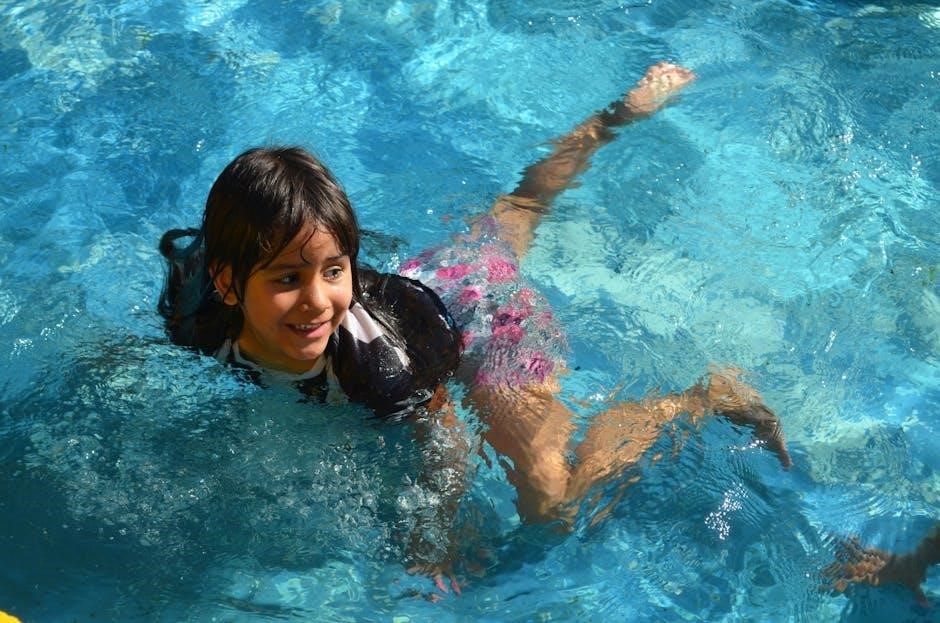
Effective instructional programs prioritize individualized attention, recognizing that each swimmer progresses at their own pace. Instructors assess skill levels and tailor lessons to address specific needs and goals, whether it’s overcoming fear, mastering a stroke, or improving technique for fitness.
Collaborative goal setting between instructor and student fosters motivation and a sense of accomplishment. Regular feedback and positive reinforcement build confidence. This personalized approach ensures that each participant maximizes their learning experience within the instructional pool, achieving tangible results.
Safety Considerations in Instructional Pools
Maintaining a safe environment is paramount in instructional pools. Consistent lifeguard presence, adhering to strict protocols, is essential for immediate response to emergencies. Regular water quality checks and rigorous sanitation procedures prevent the spread of illness, ensuring a healthy swimming experience.
Clear pool rules, enforced by staff, minimize risks. Proper supervision ratios, based on swimmer ability, are crucial. Facilities should have readily available safety equipment and emergency action plans, prioritizing the well-being of all participants within the instructional pool setting.
Lifeguard Presence and Protocols
Dedicated lifeguards are the cornerstone of safety in instructional pools, requiring comprehensive training in water rescue, first aid, and CPR. Strategic positioning ensures complete pool coverage, actively scanning for potential hazards and distressed swimmers. Established protocols dictate swift response procedures, including rescue techniques and emergency communication.
Regular drills and in-service training maintain lifeguard proficiency. Clear whistle signals and consistent enforcement of pool rules prevent accidents. Proactive lifeguarding, combined with vigilant observation, creates a secure learning environment within the instructional pool.
Water Quality and Sanitation
Maintaining pristine water quality is paramount in instructional pools, safeguarding swimmer health and preventing the spread of infections. Rigorous filtration systems continuously remove debris and impurities, while chemical balancing—specifically chlorine levels—eliminates harmful bacteria and viruses.
Regular water testing, adhering to strict health department standards, ensures consistent sanitation. Proper circulation prevents stagnant areas, and diligent skimming removes surface contaminants. Thorough pool cleaning routines, combined with advanced filtration, create a hygienic and safe aquatic environment for all participants.
Instructional Resources for Pool Players
For aspiring pool players, a wealth of instructional resources exists to elevate their game. Tor Lowry’s videos are highly regarded, alongside Dr. Dave’s focused tutorials offering quick, situation-specific shot guidance.
The Select Billiards channel provides excellent content, particularly beneficial for beginners. Basic Billiards offers comprehensive drills, lessons, and videos for improvement. These resources utilize visual demonstrations to effectively illustrate techniques and strategic thinking, helping players of all levels refine their skills and achieve greater precision.
Tor Lowry’s Instructional Videos
Tor Lowry’s instructional videos are consistently praised within the pool community as a cornerstone for skill development. Recognized for their depth and clarity, Lowry’s content covers a broad spectrum of techniques, from fundamental stance and grip to advanced shot-making strategies.
Players frequently cite his ability to break down complex concepts into easily digestible segments, making his videos accessible to both beginners and experienced players seeking refinement. Lowry’s approach emphasizes a strong understanding of physics and geometry, fostering a more intuitive and effective game.
Dr. Dave’s Focused Shot Tutorials
Dr. Dave’s instructional approach distinguishes itself through concise, targeted tutorials focusing on specific shot scenarios. Players appreciate his directness and efficiency, quickly delivering practical solutions to common challenges encountered at the table. Unlike broader instructional series, Dr. Dave’s content excels at addressing immediate needs, offering a “just-in-time” learning experience.
His videos often dissect a single shot, meticulously analyzing the required stance, stroke, and aiming points. This focused methodology makes Dr. Dave’s tutorials particularly valuable for players seeking to overcome specific technical hurdles.
Select Billiards Channel for Beginners
The Select Billiards channel is frequently recommended as an excellent starting point for novice pool players. Its content is designed to build a foundational understanding of the game, covering essential techniques and fundamental concepts in an accessible manner. Many learners find the channel particularly helpful when first starting their pool journey.
The channel’s strength lies in its ability to break down complex skills into manageable steps, making it easier for beginners to grasp the basics and develop confidence. It provides a solid base for further skill development.
Benefits of Instructional Pools Beyond Swimming
Instructional pools offer a diverse range of benefits extending far beyond simply learning to swim. They are increasingly utilized for water aerobics and various fitness classes, providing low-impact exercise options suitable for all ages and fitness levels.
Furthermore, these pools play a crucial role in rehabilitation and therapy programs, assisting individuals recovering from injuries or managing chronic conditions. The buoyancy of water reduces stress on joints, facilitating movement and promoting healing. This makes instructional pools valuable assets for overall health and wellness within communities.
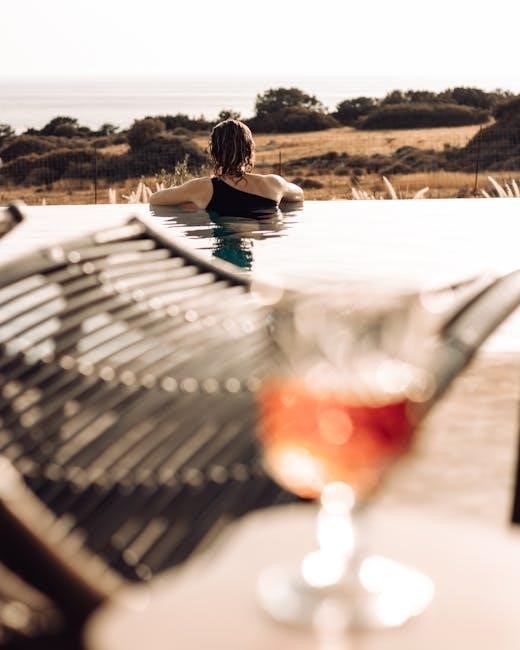
Water Aerobics and Fitness Classes
Instructional pools are ideal venues for water aerobics and a wide array of fitness classes, capitalizing on water’s unique resistance properties. These classes provide a full-body workout that is gentle on joints, making them accessible to individuals of varying fitness levels and those with physical limitations.
The aquatic environment minimizes impact, allowing for greater range of motion and reduced risk of injury. From high-energy aqua Zumba to calming water yoga, instructional pools promote cardiovascular health, strength, and flexibility, offering a fun and effective alternative to land-based exercise.
Rehabilitation and Therapy Programs
Instructional pools play a crucial role in rehabilitation and therapy, offering a supportive and low-impact environment for patients recovering from injuries or managing chronic conditions. The buoyancy of water reduces stress on joints and muscles, facilitating movement and easing pain during therapeutic exercises.
These programs are often prescribed by physicians and led by qualified therapists, addressing a range of needs, from post-surgical recovery to neurological rehabilitation; Water’s warmth can also soothe muscles and improve circulation, accelerating the healing process and enhancing overall well-being.
Choosing the Right Instructional Pool
Selecting the ideal instructional pool requires careful consideration of several factors. Location and accessibility are paramount, ensuring convenient access for regular lessons. Equally important is program variety – does the facility offer classes suited to your specific needs and skill level?
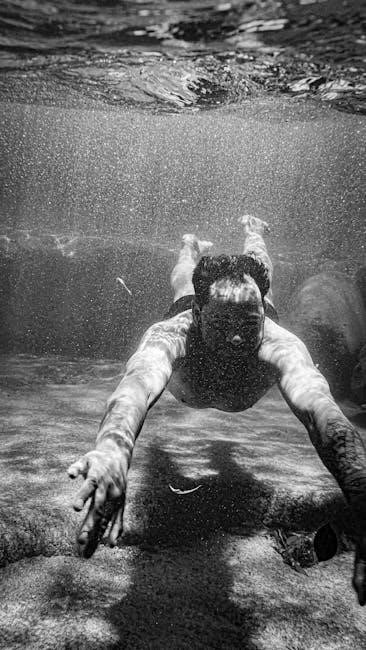
Investigate the instructor expertise; qualified, certified instructors are essential for effective and safe learning. Consider pool size, cleanliness, and overall atmosphere. Don’t hesitate to visit potential pools, observe classes, and speak with staff to determine the best fit for your aquatic journey.
Location and Accessibility
Convenient location is a key factor when choosing an instructional pool. Proximity to home or work minimizes travel time, encouraging consistent attendance. Consider transportation options – is the pool easily reachable by car, public transit, or bike?
Parking availability is also crucial, especially during peak hours. Accessibility features are vital for individuals with disabilities, including ramps, lifts, and accessible restrooms. A well-situated and accessible pool removes logistical barriers, making learning to swim a more enjoyable and achievable experience for everyone.
Program Variety and Instructor Expertise
Diverse programs cater to all skill levels and interests, from beginner lessons to advanced stroke techniques and adaptive aquatics. Look for offerings tailored to specific age groups – youth, adults, and seniors – and consider specialized classes like water aerobics or triathlon training.
Certified instructors are paramount; they possess the qualifications and training to provide safe, effective instruction. Personalized attention and goal setting are hallmarks of quality programs, ensuring each participant progresses at their own pace. Experienced instructors can adapt lessons to individual needs, maximizing learning outcomes.