Reese Trailer Brake Controller Manual: A Comprehensive Guide
Welcome! This detailed manual provides essential guidance for installing, operating, and maintaining your Reese trailer brake controller, ensuring safe towing experiences.
Trailer brake controllers are vital safety components for anyone towing a trailer with a vehicle. They act as the intermediary between the driver and the trailer’s braking system, allowing for synchronized and effective stopping power; Without a properly functioning controller, the trailer’s momentum can quickly overwhelm the tow vehicle, leading to dangerous situations like sway, jackknifing, and extended stopping distances.
Reese, a trusted name in towing solutions, manufactures a range of brake controllers designed to provide reliable performance and user-friendly operation. These controllers translate the driver’s braking input into an electrical signal that activates the trailer brakes. Understanding the function and features of your Reese brake controller is paramount for safe and confident towing. This guide will delve into the specifics of Reese controllers, covering installation, setup, troubleshooting, and maintenance.
Understanding the Importance of Trailer Brakes
Trailer brakes are not optional; they are a crucial safety feature mandated for most trailers exceeding a certain weight. The braking system of your tow vehicle alone is often insufficient to safely stop a combined vehicle – the truck or car and the loaded trailer. Trailers, particularly larger ones, possess significant mass and momentum.
Without independent trailer brakes, this momentum can dramatically increase stopping distances, especially in emergency situations. This increased distance elevates the risk of collisions. Properly functioning trailer brakes distribute the braking workload, reducing stress on the tow vehicle’s brakes and improving overall control. Reese brake controllers ensure these trailer brakes activate promptly and proportionally to the tow vehicle’s deceleration, providing a safer and more controlled towing experience for everyone on the road.

Safety Considerations
Prioritize safety throughout the installation and operation of your Reese trailer brake controller. Always disconnect the battery before commencing any electrical work to prevent shorts and potential hazards. Ensure all wiring connections are secure and properly insulated, avoiding exposed wires that could cause fires or malfunctions.
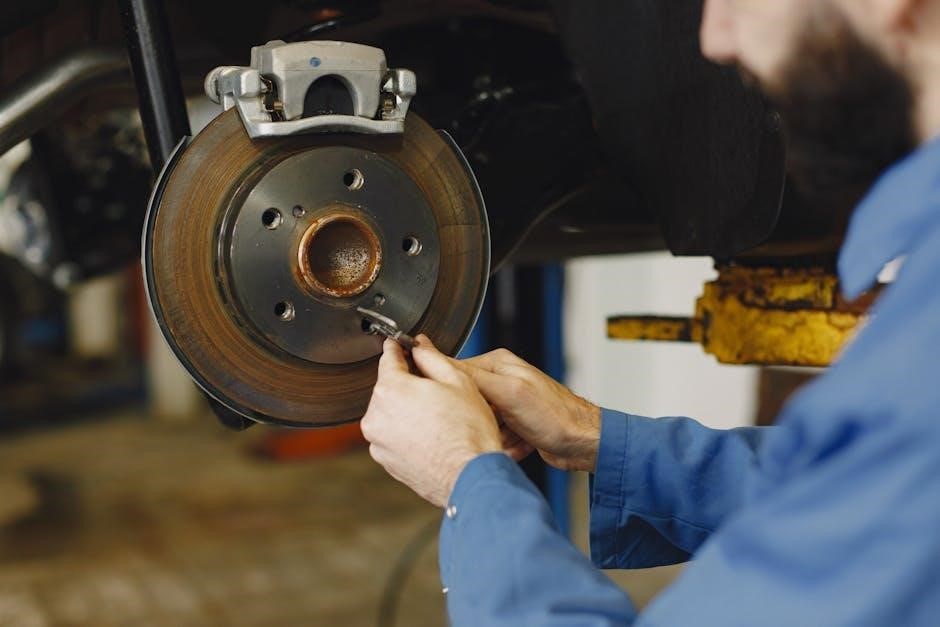
Regularly inspect the brake lines, drums, or rotors for wear and tear, and address any issues immediately. Before each trip, perform a functional test of the trailer brakes to confirm they are operating correctly. Never exceed the weight capacity of your trailer, hitch, or tow vehicle. Familiarize yourself with the controller’s manual override function for emergency situations and practice using it. Safe towing requires diligence and proactive maintenance.
Legal Requirements
Compliance with regulations is crucial when towing a trailer equipped with a Reese brake controller. Federal and state laws often mandate the use of functioning trailer brakes based on the gross vehicle weight rating (GVWR) of the trailer. These requirements vary significantly by location, so it’s your responsibility to understand the specific laws in each state you travel through.
Ensure your brake controller is properly installed and functioning to meet these legal standards. Documentation of compliance, such as inspection records, may be required during roadside checks. Ignoring these regulations can result in fines, penalties, and, more importantly, compromise safety. Consult your state’s Department of Motor Vehicles or transportation authority for detailed information regarding trailer braking laws.
Reese Brake Controller Models: An Overview
Reese offers a diverse range of trailer brake controllers designed to suit various towing needs and vehicle types. The Prodigy series, including the Prodigy 2 and Prodigy 3, are known for their advanced proportional braking capabilities and user-friendly interfaces. These models provide precise brake control, adapting to varying load conditions.
The Fusion series represents a more streamlined and compact option, ideal for vehicles with limited dashboard space. Fusion controllers deliver reliable performance with essential features for safe towing. Reese also provides simpler, entry-level controllers for basic braking requirements. Understanding the features and specifications of each model is key to selecting the best controller for your specific trailer and vehicle combination.
Prodigy Series (Prodigy 2, Prodigy 3)
The Prodigy 2 and Prodigy 3 are flagship models, celebrated for their sophisticated proportional braking systems. These controllers utilize an internal accelerometer to detect vehicle deceleration, applying the trailer brakes in direct relation to the tow vehicle’s braking force. This results in smoother, more controlled stops.
Key features include adjustable sensitivity settings, allowing customization for different trailer loads and driving conditions. Both models offer a manual override function for emergency braking situations. The Prodigy 3 boasts an enhanced LCD display and expanded diagnostic capabilities compared to the Prodigy 2. They are compatible with a wide range of trailers and vehicles, providing a premium towing experience.
Fusion Series

Reese Fusion Series controllers represent a blend of advanced technology and user-friendly design. These controllers offer both proportional braking and manual control, adapting to various towing needs. Featuring a sleek, modern interface, the Fusion series provides clear visual feedback on brake activity and system status.
Notable features include a quick-connect wiring harness for simplified installation and a built-in diagnostic display to aid in troubleshooting. The Fusion controllers are designed to work seamlessly with electric and electro-hydraulic brakes. They offer adjustable settings for sensitivity and responsiveness, ensuring optimal performance with different trailer weights and road conditions. The Fusion series delivers reliable and precise braking control for a confident towing experience.
Installation Guide: General Principles
Proper installation is crucial for optimal performance and safety. Begin by carefully reviewing the specific instructions included with your Reese brake controller model. Always disconnect the vehicle’s negative battery terminal before commencing any electrical work. Locate a secure and accessible mounting location for the controller, ensuring it doesn’t interfere with driving operations.
Wiring is paramount; use the correct gauge wire and follow the provided wiring diagrams meticulously. Secure all connections to prevent shorts or disconnections. Grounding is essential – ensure a solid ground connection to the vehicle’s chassis. After installation, double-check all wiring and connections before reconnecting the battery. A professional installation is recommended if you are uncomfortable with automotive electrical systems.
Wiring Diagrams & Color Codes
Understanding the wiring is vital for a successful installation. Reese brake controllers typically utilize a standard color-coding system, though variations exist between models. The red wire generally connects to the trailer brake circuit, activated by the brake pedal switch. A black wire serves as the ground connection to the vehicle’s chassis. The blue wire often represents the brake output signal, while white is frequently the signal wire.
Refer to your model’s specific diagram – found within the included documentation – for precise color codes and connection points. Incorrect wiring can lead to malfunction or damage. Always use appropriate connectors and ensure secure, weatherproof connections. If unsure, consult a qualified automotive electrician to verify the wiring before powering up the system.
Mounting the Controller
Proper mounting ensures secure operation and easy access. Select a location within comfortable reach of the driver, avoiding interference with steering wheel or pedals. Most controllers mount using screws or brackets to the dashboard, under the dash, or within the cab. Ensure the chosen location doesn’t obstruct airbags or other safety features.
Use the provided mounting hardware and follow the instructions carefully. Pre-drilling pilot holes can simplify installation and prevent damage to the vehicle’s interior. Securely fasten the controller, verifying it’s stable and won’t vibrate loose during travel. Consider cable routing to prevent pinching or chafing. A clean, organized installation enhances functionality and appearance.
Setting Up Your Reese Brake Controller
Initial setup is crucial for optimal performance. Begin by connecting the controller to the vehicle’s electrical system and the trailer connector, verifying a secure connection. Power on the controller and initiate the self-test sequence, if available, to confirm functionality. Familiarize yourself with the controller’s display and adjustment options.
Adjust the brake sensitivity according to the trailer’s weight and load. Start with a lower setting and gradually increase it until the trailer brakes respond appropriately without locking up. The goal is smooth, controlled braking. Refer to the controller’s specific instructions for detailed guidance on sensitivity adjustments and proportional braking settings. Proper setup ensures safe and effective trailer braking.
Initial Power-Up and Self-Test
Upon initial power-up, most Reese brake controllers will perform a self-test sequence. This diagnostic check verifies the controller’s internal components and the connection to the vehicle and trailer. Observe the display for any error codes or warning lights; these indicate potential issues requiring attention before operation. A successful self-test typically displays a “Pass” or similar confirmation message.

If the self-test fails, consult the troubleshooting section of this manual. Common causes include incorrect wiring, a faulty ground connection, or a problem with the trailer’s brake system. Ensure the ignition is on, and the trailer is properly connected before repeating the self-test. A passing self-test confirms the controller is functioning correctly and ready for adjustment.
Adjusting Brake Sensitivity
Brake sensitivity dictates how aggressively the trailer brakes apply for a given deceleration rate. Start with a low sensitivity setting and gradually increase it during a test drive in a safe, open area. Monitor the trailer’s braking performance – you want firm, controlled stops without excessive trailer sway or lock-up.
Higher sensitivity means the trailer brakes engage sooner and more forcefully. Lower sensitivity results in later and gentler braking. Adjust based on trailer weight, road conditions, and your vehicle’s towing capacity. The goal is to achieve balanced braking where the trailer and vehicle slow down proportionally. Regular adjustments may be needed when changing loads or driving environments.

Troubleshooting Common Issues
Encountering problems? This section addresses frequent concerns. First, verify all connections – wiring, ground, and power supply. A loose connection is often the culprit. Check the trailer’s brake lights; if they don’t illuminate, investigate the trailer wiring and bulb functionality. Controller display errors should be referenced in the error code section of this manual.
If brakes feel weak, adjust sensitivity (see section above) or inspect brake shoes/pads on the trailer. For unresponsive brakes, confirm the breakaway cable is properly connected. Persistent issues may indicate a faulty controller or trailer brake components; professional diagnosis is recommended. Always prioritize safety and avoid towing with malfunctioning brakes.
No Brake Power to Trailer
Experiencing a complete lack of braking power? Begin by verifying the primary power supply to the controller – check the fuse in your vehicle’s fuse box dedicated to the brake controller. Inspect the controller’s wiring harness for any loose connections or damaged wires, paying close attention to the connector at the trailer. Confirm the breakaway cable is securely connected; this provides a direct electrical path to the trailer brakes.

Test the trailer’s brake lights; if they aren’t functioning, the issue lies within the trailer’s wiring. Use a multimeter to check for voltage at the trailer connector when the brakes are applied. If voltage is present at the connector but the brakes aren’t activating, the trailer’s brake system requires inspection.
Erratic Brake Performance
Noticing inconsistent or jerky braking? This often indicates a problem with the ground connection. Ensure a clean, secure ground connection between the controller, the vehicle’s chassis, and the trailer. Inspect the wiring harness for any chafing or corrosion, as these can cause intermittent signals. Verify the trailer’s brake magnets aren’t excessively worn or damaged; uneven wear can lead to erratic performance;
Adjust the controller’s sensitivity settings – a setting that’s too high can cause “surging.” Check for loose wheel bearings on the trailer, as excessive play can affect brake function. Consider environmental factors like wet or muddy conditions, which can temporarily impact braking. If issues persist, a professional inspection of both the controller and trailer brakes is recommended.
Advanced Features & Customization
Reese controllers offer features beyond basic braking. Explore proportional braking adjustments for smoother, more controlled stops, tailoring response to your vehicle and trailer combination. Utilize the manual override for independent trailer brake application – useful for downhill descents or emergency situations. Some models feature user-adjustable sensitivity curves, allowing precise tuning for varying load weights and road conditions.
Diagnostic modes can help pinpoint potential issues within the braking system. Customizable display settings (brightness, contrast) enhance visibility. Explore the ‘drift compensation’ feature (if equipped) to counteract trailer sway. Remember to consult your specific model’s manual for detailed instructions on accessing and configuring these advanced options for optimal performance and safety.
Proportional Braking Explained
Proportional braking is a key feature of Reese controllers, mimicking your vehicle’s braking intensity. Unlike traditional systems applying constant power, proportional braking uses an accelerometer to detect deceleration. As you brake, the controller applies corresponding braking force to the trailer – gentle stops trigger gentle trailer braking, while hard stops engage stronger trailer brakes.
This results in smoother, more natural towing. It reduces trailer sway and minimizes wear on both vehicle and trailer brakes. Adjusting the ‘proportionality’ setting controls the responsiveness; higher settings mean quicker trailer brake engagement. Proper adjustment is crucial for optimal performance and safety, ensuring synchronized braking between tow vehicle and trailer. Experiment to find the ideal setting for your setup.
Manual Override Function
The manual override function provides independent control of your trailer brakes, bypassing the proportional circuit. Accessed via a dedicated button or lever on the controller, this feature is invaluable in specific situations. Use it when descending steep grades to maintain a safe speed, even if your vehicle’s brakes are struggling. It’s also helpful for emergency braking or when navigating challenging terrain.
Engaging manual override applies the trailer brakes at the selected intensity, regardless of your vehicle’s deceleration. Exercise caution – excessive manual braking can cause skidding or loss of control. Release the override promptly once the situation stabilizes. Familiarize yourself with its location and operation before towing, ensuring quick access when needed for enhanced safety and control.
Maintenance and Care
Regular maintenance ensures the longevity and reliable performance of your Reese brake controller. Periodically inspect all wiring connections for corrosion, damage, or looseness; tighten or replace as needed. Dust accumulation can hinder performance, so clean the controller’s exterior with a soft, dry cloth. Avoid using harsh chemicals or liquids.

Check the mounting hardware to confirm the controller remains securely fastened. Inspect the brake controller’s display for any signs of malfunction or dimming. Proper storage when not in use is crucial; keep the controller in a dry, climate-controlled environment, protected from extreme temperatures and humidity. Following these simple steps will maximize its lifespan and safety.
Cleaning and Inspection
Routine cleaning is vital for optimal performance. Use a soft, dry cloth to wipe down the controller’s casing, removing dust and debris. Avoid abrasive cleaners or solvents, as they can damage the finish or internal components. Inspect all wiring connections meticulously, looking for corrosion, fraying, or loose connections. Tighten any loose screws and replace damaged wires immediately.
Check the controller’s display for clarity and responsiveness. Examine the mounting bracket to ensure it’s secure and hasn’t loosened during travel. Visually inspect the internal components (if accessible) for any signs of damage or wear. A proactive approach to cleaning and inspection will help identify potential issues before they escalate into major problems.
Storage Recommendations
Proper storage extends the life of your Reese brake controller. When not in use for extended periods, disconnect the controller from the vehicle’s electrical system to prevent battery drain. Store the controller in a cool, dry place, away from direct sunlight and extreme temperatures. A climate-controlled environment is ideal, but a dry cabinet or storage bin will suffice.
Protect the controller from dust and moisture by covering it with a clean cloth or placing it in a sealed plastic bag. Avoid storing heavy objects on top of the controller, as this could cause damage. Periodically check the stored controller for signs of corrosion or deterioration. Following these recommendations ensures your controller remains in optimal condition for future use.